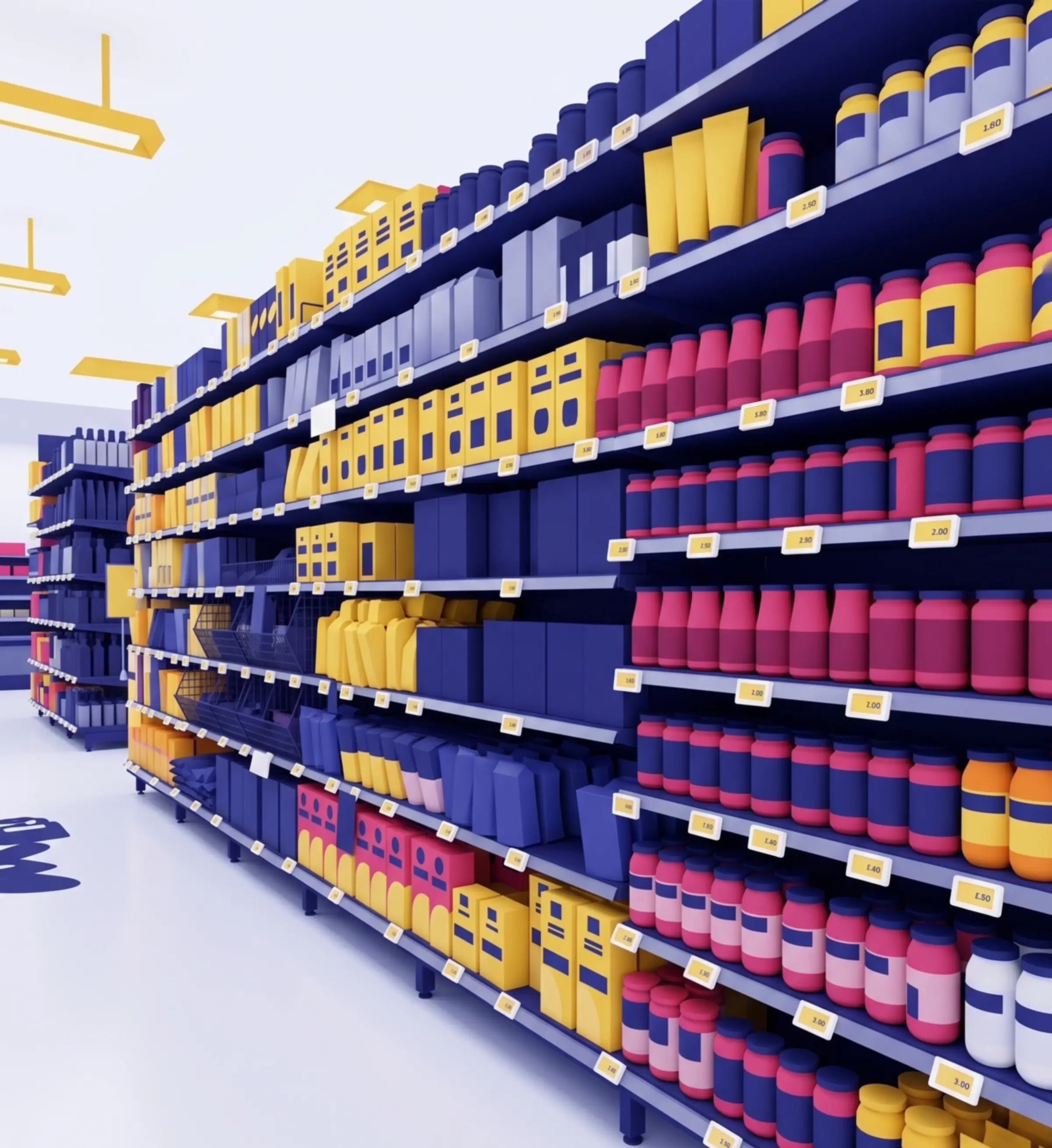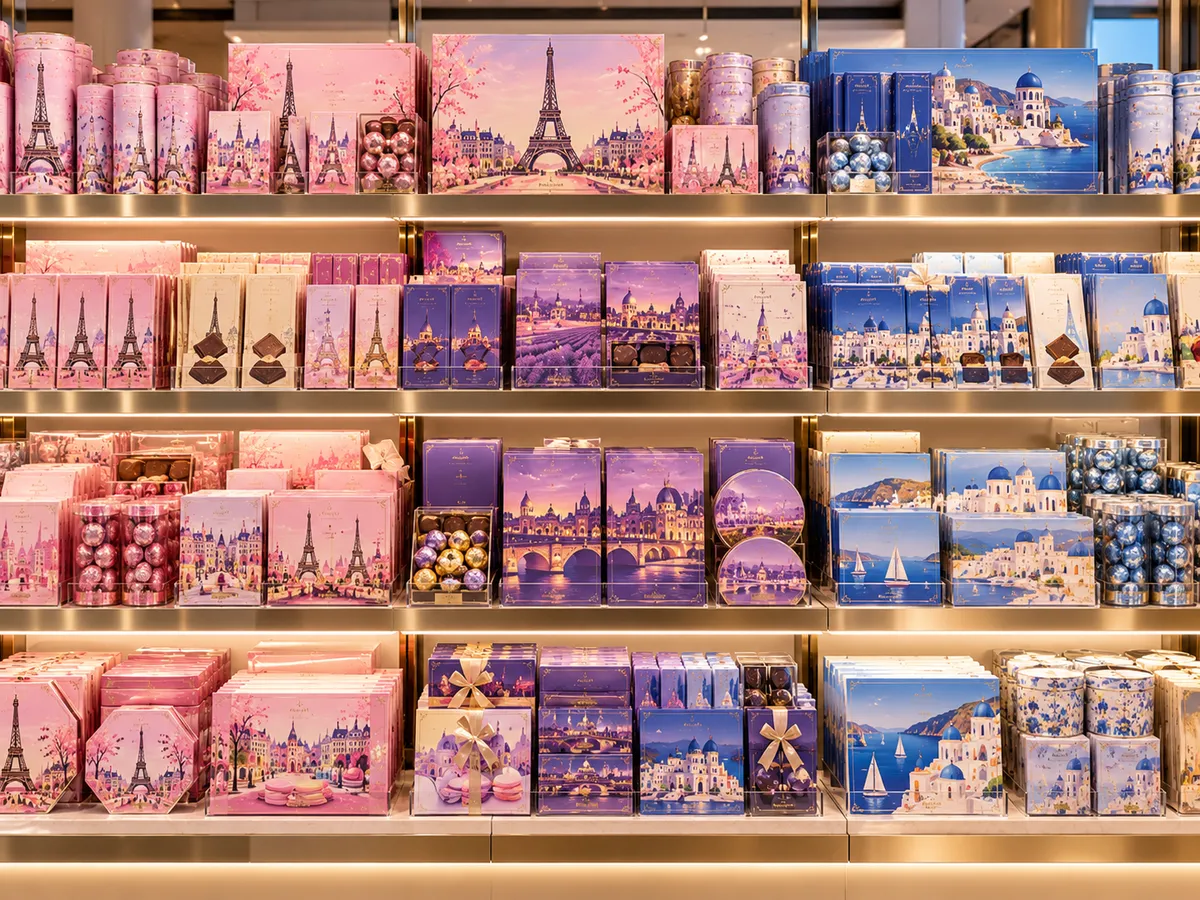

Confectionery is deeply embedded in everyday consumption, yet this popularity is not translating into equivalent purchasing penetration at airports.
Mondelēz's Joost Rosmuller highlighted the contrast between 91% of consumers snacking daily and approximately 8% of airport passengers purchasing confectionery. If travellers already enjoy confectionery, the challenge for travel retail is giving them a compelling reason to purchase it at the airport.
Throughout Cannes, it was clear how brands were responding to this challenge. Destination-inspired flavours, gifting, exclusive products and immersive experiences emerged as some of the clearest approaches. The common thread was an attempt to make confectionery feel distinctive to the travel experience.
Confectionery becomes part of the destination
Confectionery brands are increasingly bringing destination-inspired flavours to travel retail. At Cannes, Lindt & Sprüngli Global Travel Retail officially premiered the latest addition to its Flavours of the World chocolate range. The Bali Style Ube, Cashew and Coconut bar joined the brand's travel-exclusive collection, alongside Dubai Style Pistachio and Tokyo Style Matcha Strawberry.
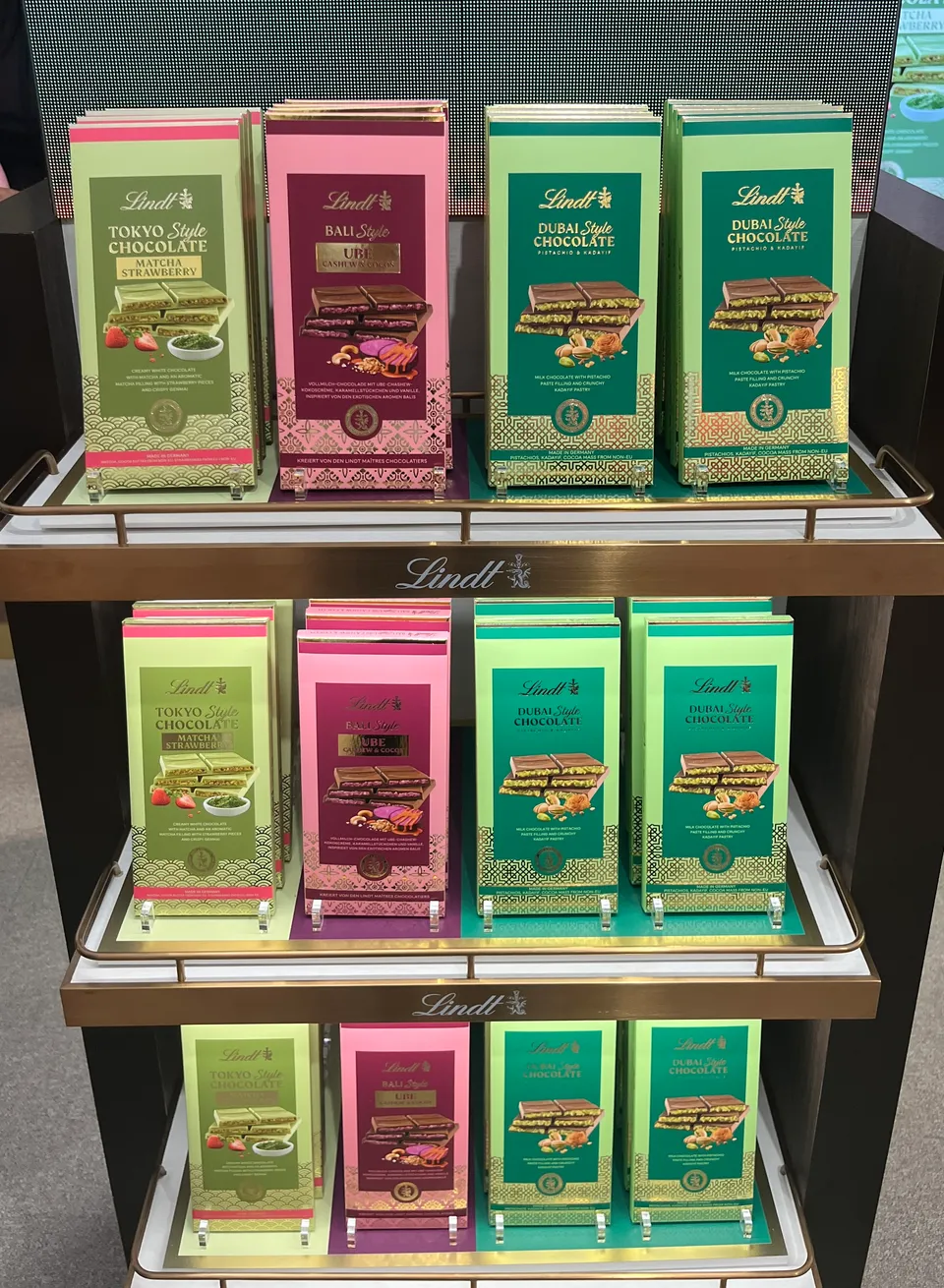
There is considerable value in these destination-inspired concepts. By drawing on flavours, ingredients and cultural associations from around the world, brands are creating products that feel more relevant to the travel experience. They offer a sense of discovery, introducing travellers to distinctive flavours and products that may be harder to find at home.
Beyond flavours, confectionery brands are also using destination-themed packaging and travel-exclusive formats to position their products as souvenirs and gifts. Guylian unveiled a preview of its new Voyage collection, featuring premium gifting products designed to capture a distinct sense of place. Meanwhile, Mondelēz's Toblerone continued to build on its reputation in souvenir-led travel confectionery through location-specific packaging. A notable example was its Paris-themed Sense of Place collection, featuring recognisable Parisian landmarks, matching postcards and themed gift bags.
Activations can further strengthen this destination-driven appeal. At Cannes, Mars Wrigley brought its expanded Sense of Place offer to life with an Eiffel Tower structure constructed from its new M&M's Peanut Candy Tins. The display formed part of a wider rollout of M&M's Experience installations, featuring localised concepts at major travel hubs.
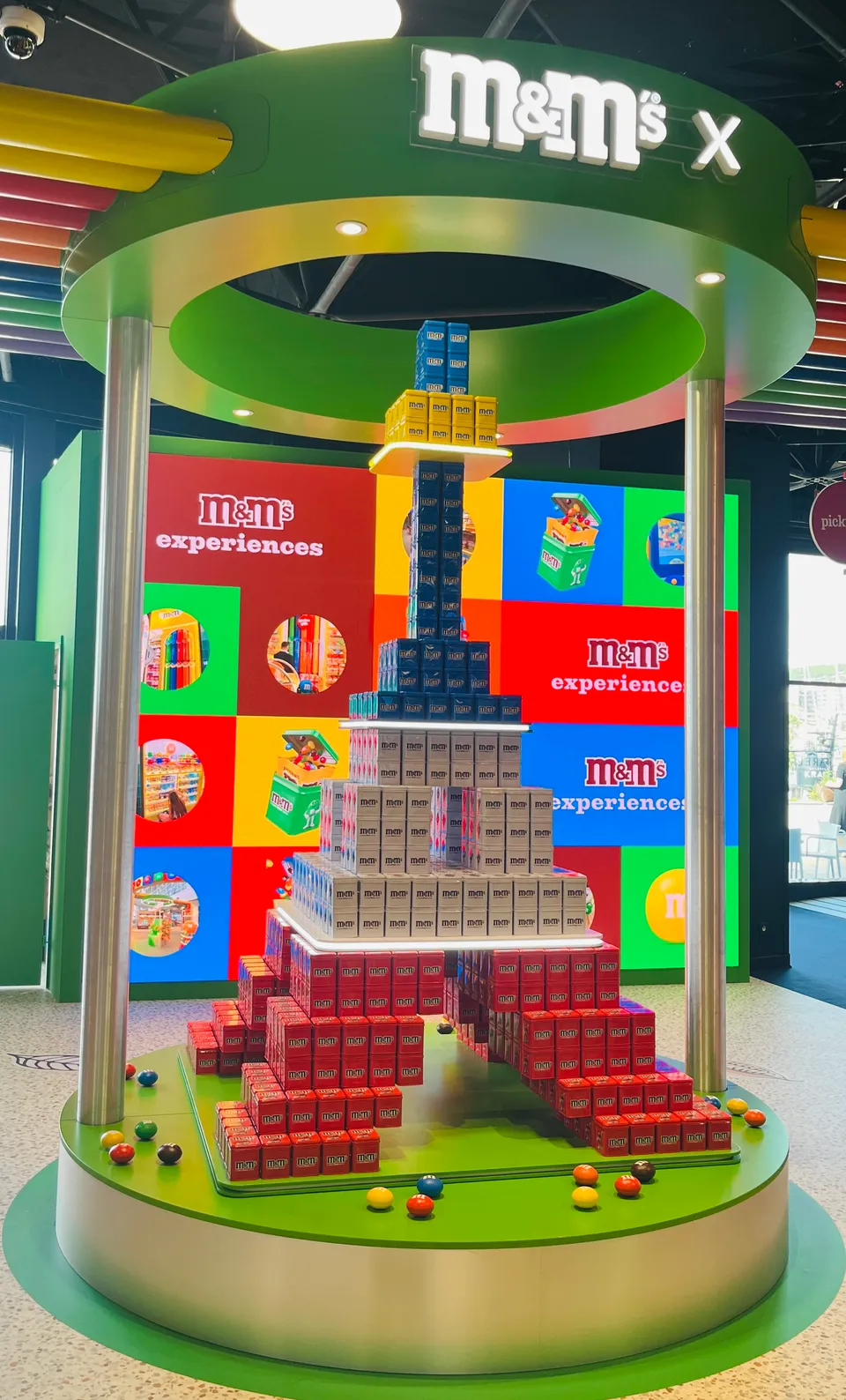
Such experiences can make confectionery more engaging, encouraging discovery and impulse purchasing. With ACI Asia-Pacific & Middle East's 2026 travel-retail study reporting that 70% of airport retail purchases are impulse-driven, there is a clear opportunity for brands to capture travellers' attention through more distinctive retail environments.
However, even the most compelling experiences can only go so far. Destination-inspired and souvenir confectionery products offer a genuine competitive advantage, encouraging gifting, impulse purchases and discovery while reinforcing a sense of place. Yet their potential depends on effective execution at the shelf.
Without sufficient space, prominent positioning, clear promotions and consistent availability, even the most innovative products risk being overlooked. Equally, value and convenience remain essential. Novel flavours and travel-exclusive collections may attract attention, but that interest is unlikely to translate into purchase if products are difficult to find or their pricing creates friction.
Beyond the souvenir: creating more reasons to buy
In her industry address at TFWA Cannes 2026, TFWA President Sarah Branquinho emphasised the potential of merchandising around shopper missions rather than simply product categories. For confectionery, this presents a particularly compelling opportunity. Few categories cater to such a diverse range of purchasing motivations, from an impulse purchase or a small self-treat to something to share with fellow travellers or take home as a gift.
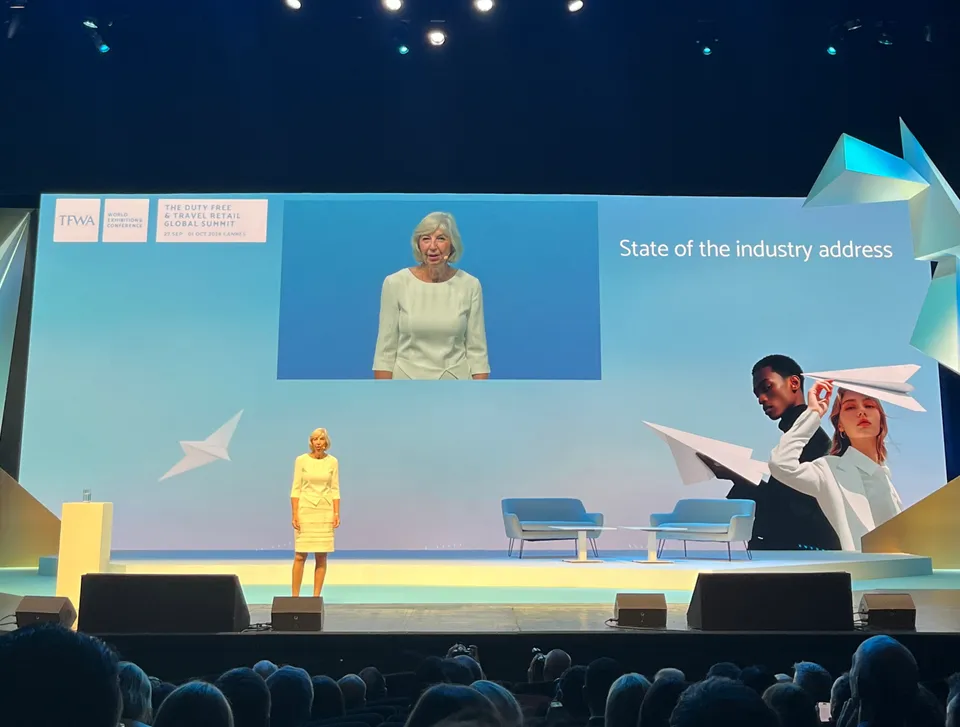
Yet these different missions demand different approaches to merchandising. A traveller looking for a quick snack may prioritise convenience, accessibility and price, while someone searching for a gift may be drawn to premium packaging, destination-specific products or exclusive editions. Organising confectionery solely by brand or product type risks overlooking these distinctions.
The opportunity lies in creating a more intuitive shopping experience, where product placement, signage, formats and promotions reflect why travellers are buying, not simply what they are buying. Smaller formats could be positioned for convenient impulse purchases, while gifting collections and destination-inspired products receive dedicated, clearly identifiable space. For time-pressed travellers, making these purchasing missions easier to navigate could help turn interest into purchase.
This approach also creates an important role for store-level execution intelligence. Brands and retailers need to understand whether their intended merchandising strategies are being delivered in-store, and whether products are receiving the positioning and visibility appropriate to their purchasing occasions.
Exclusivity offers another way to create urgency and a compelling reason to buy. Toblerone Pink Crush, initially introduced as a very limited edition, has since become a permanent feature of the brand's travel-retail portfolio following strong traveller demand. Its evolution demonstrates the potential of limited-edition innovation, but also raises an interesting question: how can brands sustain excitement as availability increases?

As brands continue introducing new flavours, formats and exclusive collections, they must also consider how these additions compete for space within existing assortments. Innovation creates new reasons to purchase, but it also places greater demands on the shelf.
Make the destination worth buying
Cannes 2026 showcased a confectionery category full of innovation, from destination-inspired flavours and exclusive collections to immersive retail experiences. Yet the opportunity is not simply to encourage more travellers to enjoy confectionery, but to give them a compelling reason to purchase it at the airport.
While distinctive products, destination relevance and engaging experiences create that reason, their commercial potential ultimately depends on what happens at the shelf. Brands must ensure that the excitement generated by innovation translates into strong in-store execution, with the availability, space and prominence needed to turn traveller interest into purchase.
This is where Shelftrak's store-level execution intelligence becomes essential, identifying where products are underrepresented, poorly positioned or inconsistently executed, and helping brands and retailers prioritise improvements.
Cannes is where innovation generates excitement. The real test is whether that excitement translates into purchase at the shelf.
Is your confectionery innovation getting the visibility it deserves? Contact Shelftrak to discover how store-level execution intelligence can help turn innovation into commercial opportunity.
Shelftrak Inside Trak Newsletter
Retail execution trends, analysis and data-led intelligence delivered straight to your in-box
Get the latest news and commentary on pricing, compliance, shelf visibility, and execution trends driving category and channel growth worldwide.
· Zero spam · Unsubscribe at any time
Related Reading
18 October 2026
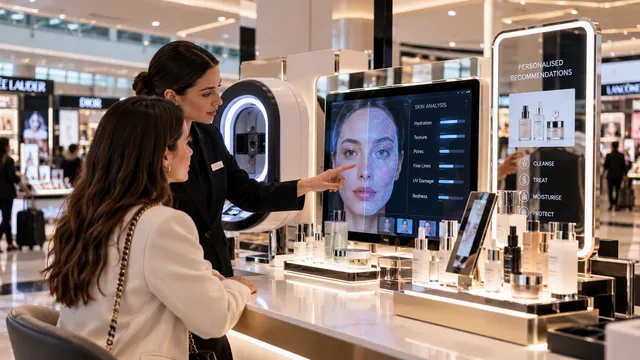
Travel RetailCannes 2026: Beauty is getting smarter. Can the shelf keep up?
From clinical skincare to AI-powered experiences, Cannes 2026 revealed how beauty is evolving and why effective shelf execution matters more than ever.
15 September 2026
Travel RetailThe travel retail shopper is changing. Is the shelf keeping up?
The travel retail shopper is changing. As purchasing power and expectations shift, the shelf must follow.
14 March 2025
Travel RetailTravel Retail Displays: Capturing the Time-Poor Shopper
Empty shelves and missing promotions erode travel retail profits. Uncover the hidden costs of poor execution and how to prevent revenue slipping away.