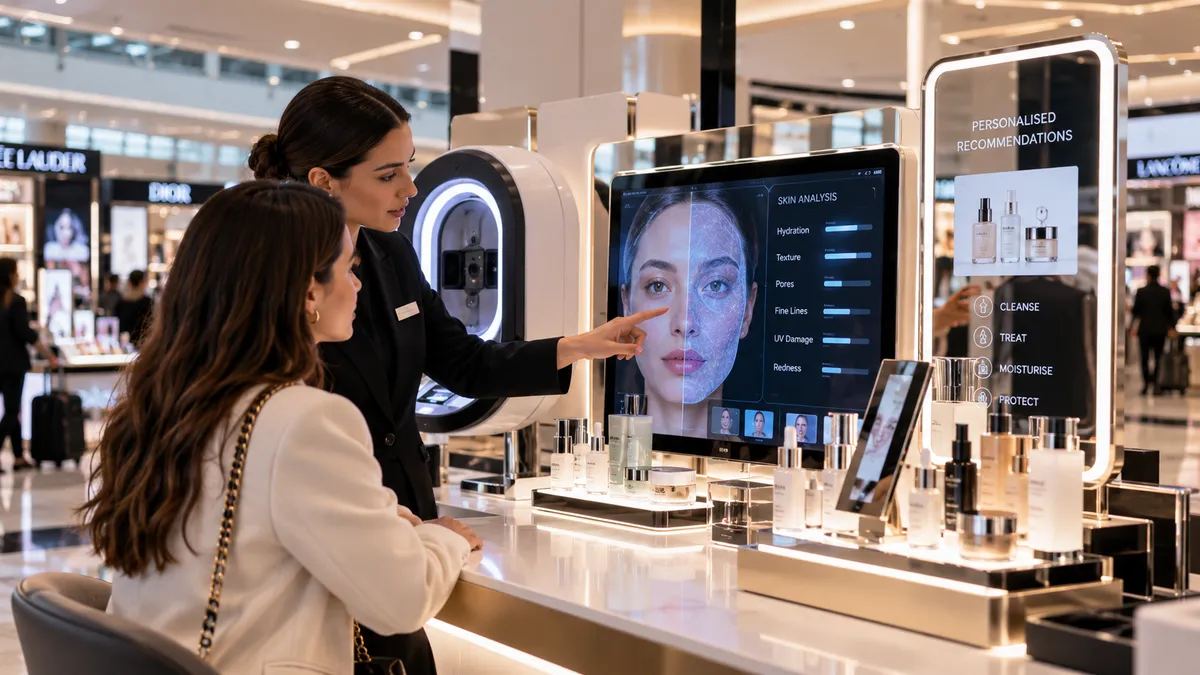

TFWA Cannes 2026 revealed a beauty industry becoming increasingly scientific, digitally influenced and responsive to changing consumer priorities.
Innovations across clinical skincare, AI and personalised experiences reflected the growing expectations of a more informed and discerning beauty consumer.
As beauty evolves, the challenge for travel retail is ensuring that these innovations translate into stronger in-store conversion, supported by the product availability, visibility and experiences needed to turn consumer interest into purchases.
From beauty promises to proven results
Modern beauty consumers are increasingly concerned with skin health, paying closer attention to product efficacy, ingredients and long-term benefits. Beauty is becoming more closely associated with health and wellbeing, with consumers looking beyond cosmetic appearance towards prevention and protection.

According to Mintel, 67% of female skincare users prioritise products that improve overall skin health rather than address specific concerns. Meanwhile, preventing signs of ageing entered the top five skincare purchase motivations in Euromonitor's 2025 Voice of the Consumer: Beauty Survey, reflecting growing interest in preventative skincare.
Greater access to information is also changing how consumers evaluate products. With ingredients, formulations and dermatological claims increasingly scrutinised online, consumers are seeking greater transparency and reassurance. Research reported by Global Cosmetic Industry in March 2025 found that 65% of surveyed consumers read beauty or wellness ingredient labels always or most of the time.
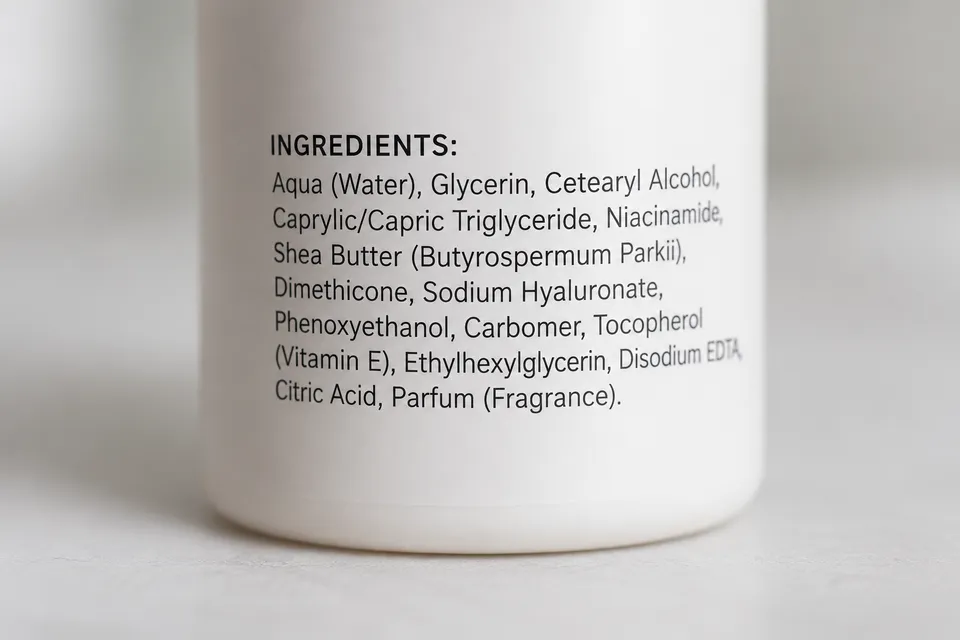
Scientific credibility is becoming particularly influential. Euromonitor found that 45% of surveyed luxury beauty shoppers were influenced by medical professionals when choosing products in 2025, highlighting the importance of expert endorsement and proven efficacy.
This is also reshaping perceptions of value. McKinsey's June 2026 analysis identified growing interest in affordable, dermatologist-backed skincare offering visible results, challenging the assumption that premium pricing necessarily delivers superior performance.
The message for beauty brands is clear: increasingly informed consumers want more than compelling promises. They want credible evidence that products deliver.
From consumer expectations to product innovation
The emphasis on dermatological credibility, active ingredients, SPF and science-backed claims at Cannes demonstrated how beauty brands are responding to these changing priorities.
Margaret Dabbs London illustrated the shift towards preventative, ingredient-led skincare with its AgeDefy Pro-C Hand Serum Capsules. Combining six active ingredients, including pro-vitamin C and Ceramide III, the formulation targets concerns ranging from dehydration and pigmentation to signs of ageing and environmental stress. Rather than focusing solely on cosmetic appearance, the product reflects growing demand for long-term skin health, while the prominence given to individual ingredients allows informed consumers to research and evaluate their benefits.

Skin protection was another recurring theme, with SPF increasingly positioned as part of everyday preventative skincare. Lumene, for example, previewed two new high-SPF products and a foundation among its upcoming 2027 innovations, reflecting the growing importance of protecting skin from UV-related damage.
These developments place greater importance on clear product communication, accessible testers and appropriate visibility, ensuring that shoppers can understand increasingly sophisticated formulations and their benefits.
This becomes particularly important when considering how much of the beauty purchasing decision may now take place before travellers reach the airport. AI, social commerce and online research are increasingly shaping how consumers discover products, compare formulations and investigate ingredients. Rather than entering stores entirely open to discovery, some travellers may already know exactly what they want.
For these shoppers, missing products, unclear navigation or inadequate visibility can become significant barriers to purchase, making effective in-store execution particularly important.
When digital intelligence meets physical retail
As AI and digital commerce become more influential in beauty product discovery, brands are bringing similar capabilities into physical retail environments. One of the most interesting developments at Cannes was the investment in technology designed to make in-store shopping more personalised and interactive, combining digital convenience with the advantages of physical retail.
L'Oréal's Destination Beauty showcase brought together several innovations illustrating this shift.
Kérastase's Parisian Garden concept incorporated AI-powered scalp and hair analysis to generate personalised product recommendations. By helping shoppers identify their individual needs and directing them towards relevant solutions, the technology moves beyond traditional product discovery towards a more diagnostic-led approach. This investment reflects growing demand for personalised expertise, with m1nd-set research cited at Cannes finding that 81% of duty-free shoppers actively seek expert care and tailored wellness.
Meanwhile, La Roche-Posay showcased its Anthelios UVSport range using an interactive UV camera that allowed visitors to see their sunscreen coverage. This demonstrated how technology can make an otherwise invisible product benefit tangible, allowing consumers to experience the value of protection rather than relying solely on packaging claims.

Perhaps the most visible demonstration of AI's potential was L'Oréal's introduction of Milo, an AI-powered robot that greeted visitors, provided directions and introduced brands and products. Although primarily an exhibition experience, Milo illustrated how AI could support navigation and product discovery in physical retail, bringing elements of online shopping assistance into a face-to-face environment.
Together, these innovations suggest that the future of beauty travel retail is not necessarily about competing with digital commerce, but incorporating its advantages into the physical shopping experience. Personalised recommendations, interactive demonstrations and AI-supported discovery could make airport beauty shopping more relevant and engaging, while retaining the benefits of physical testing, expert consultation and immediate purchase.
Yet this introduces another challenge. An AI-powered consultation may identify the ideal product, but that recommendation loses commercial value if the product is unavailable. An interactive demonstration may communicate a product's benefits, but only if the technology functions correctly, testers are accessible and displays are properly maintained.
The success of these innovations therefore depends not only on the technology itself, but on the retail execution supporting it.
Innovation creates opportunity. Execution converts it.
TFWA Cannes 2026 demonstrated how beauty brands are responding to increasingly sophisticated consumers through investment in science, technology, personalisation and preventative skincare. These developments create opportunities to engage travellers and make airport beauty shopping more relevant to their expectations.
However, they also raise expectations of the physical retail environment. As brands invest in more sophisticated products and experiences, the fundamentals of retail execution become more important, not less.
The challenge for 2027 will be ensuring that innovation is matched by product availability, effective visibility, clear navigation, accessible testers and consistent campaign execution across airport stores. Without these foundations, brands risk investing in experiences that attract consumer interest but fail to translate that interest into purchases.
Ultimately, the commercial value of innovation depends on whether brand strategy translates into a consistent, measurable in-store experience, where products are available, benefits are clearly communicated and shoppers can engage with innovations as intended.
The brands that succeed in 2027 will not simply be those developing the most compelling innovations, but those ensuring that innovation delivers at the shelf.
Shelftrak Inside Trak Newsletter
Retail execution trends, analysis and data-led intelligence delivered straight to your in-box
Get the latest news and commentary on pricing, compliance, shelf visibility, and execution trends driving category and channel growth worldwide.
· Zero spam · Unsubscribe at any time
Related Reading
15 October 2026
Travel RetailTravel retail is overcomplicating Gen Z
Is travel retail overcomplicating Gen Z? Discover why competitive prices, exclusivity and convenience may matter more than immersive experiences.
9 October 2026
Travel RetailMoney Left on the Shelf
Shelftrak quantifies the commercial value of execution gaps, helping brands prioritise opportunities across space, distribution, price and promotion.

7 October 2026
Travel RetailTravel retail’s hidden opportunity
Before travel retail finds new ways to drive conversion, could fixing the execution gaps already costing millions be the place to start?