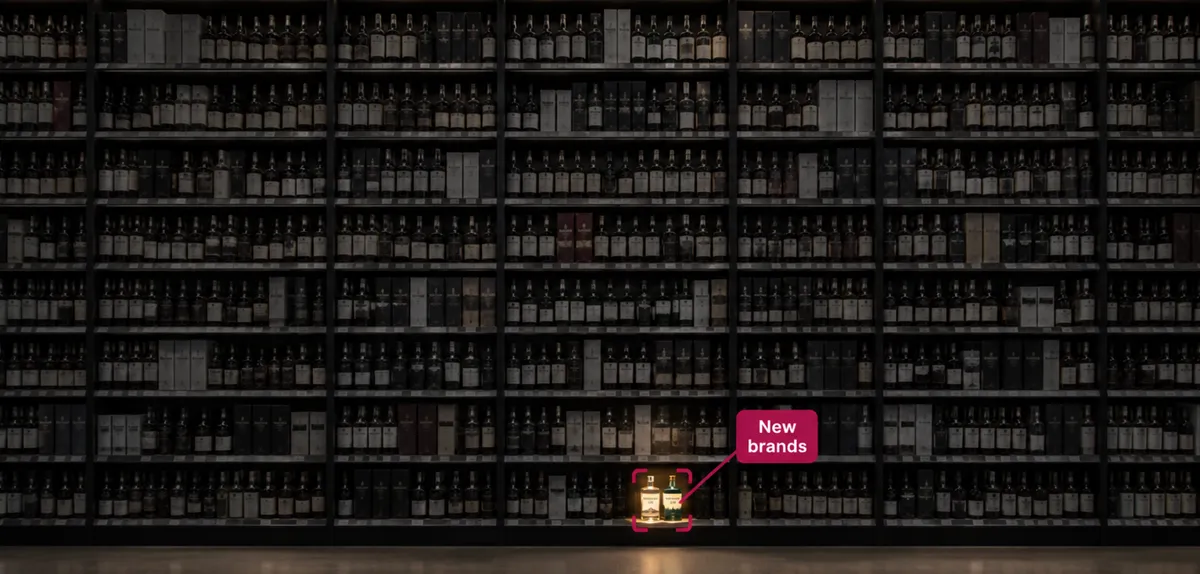

Discovery is central to travel retail’s identity. The industry has always positioned itself as somewhere travellers can discover products, brands and experiences that they would not usually encounter within everyday shopping. But is the industry actually facilitating discovery to the extent it assumes it does?
The introduction of new brands is an essential way to retain travel retail’s position as an exciting destination for shoppers to discover something new. But simply investing in securing a listing does not genuinely introduce these brands to travellers. They must be given meaningful space on the shelves so that shoppers can notice them, while visibility, curation and storytelling must also be invested in to create opportunities for shoppers to understand and engage with them.
Despite its recognition as the channel for discovery, travel retail must question whether it is genuinely providing new brands with the opportunity to reach, engage and attract shoppers.
The gap between being listed and being discovered
Travel retail places too much emphasis on securing distribution and too little on whether a meaningful opportunity for discovery and attracting shopper attention is created. As a result, many newly recorded brands occupy only a few facings, making it difficult to attract attention and distinguish themselves from established competitors.
Shelftrak data reveals the scale of this issue. Between April and August 2026, 31 named gin brands were newly recorded within Shelftrak’s audited network. But their distribution was hugely limited. 84% of these brands appeared in only one audited store, whilst nine of the 31 had just one recorded facing.
The limited physical footprint of newly recorded brands was even more striking in whisky. Of 24 newly recorded named whisky brands, there were just 74 total facings, occupying 7.84 linear metres of shelf space. 63% of these brands had between one and three facings across the entire audited network.
This isn’t just a challenge in alcohol. Of 121 newly recorded brands within Shelftrak’s wider confectionery audit, 88% appeared in only one store, showcasing significant concentration and limited distribution across the audited network.
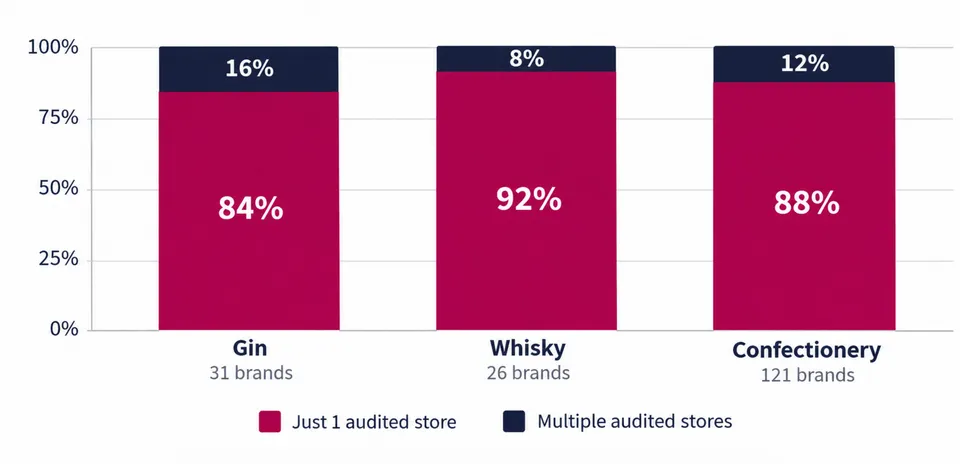
Across a substantial international sample of airport stores, these findings raise an important question about how widely opportunities for new-brand discovery are being delivered. While some brands may be undergoing early trials or phased rollouts, securing a listing alone does not guarantee that shoppers will notice or engage with them.
The missing brand story
Beyond struggling to secure significant distribution, new brands can also lack effective storytelling in-store, limiting opportunities for meaningful discovery. Storytelling is an essential part of discovery — it gives brands the opportunity to communicate their provenance and relevance, showcasing to shoppers why they are special.
There is a major disconnect between how a brand is presented to the travel retail industry and how it is presented to the actual shopper. Travel retail’s trade press does an excellent job of communicating the compelling stories surrounding new brands through launch announcements, interviews and brand features.
However, a brand’s story should not end when the press release is published. It needs to reach the shopper. But how consistently are stories surrounding brand origins, identity, craftsmanship and distinctive characteristics communicated to travellers in-store?
Consider the stories behind brands such as Highclere Castle Gin, with its connection to one of Britain's most recognisable historic estates, or Penrhos Spirits, whose farm-crafted gin reflects a distinctive approach to sustainability and local production. These are compelling propositions, communicated extensively through the trade press.
It is essential that such stories are translated into information shoppers can actually encounter at the shelf. Unfamiliar products must communicate relevance, differentiation and perceived value quickly enough to become credible purchase options that travellers feel confident considering.
Beyond the launch: making discovery last
There are encouraging examples of travel retail recognising the importance of bringing unfamiliar brands to life. In 2026, Dutch Barn Vodka's airport debut at London Luton included sampling and dedicated promotional support, while Danish confectionery brand Lakrids by Bülow introduced its chocolate-coated liquorice to airport shoppers in the UK through an in-store sampling programme.
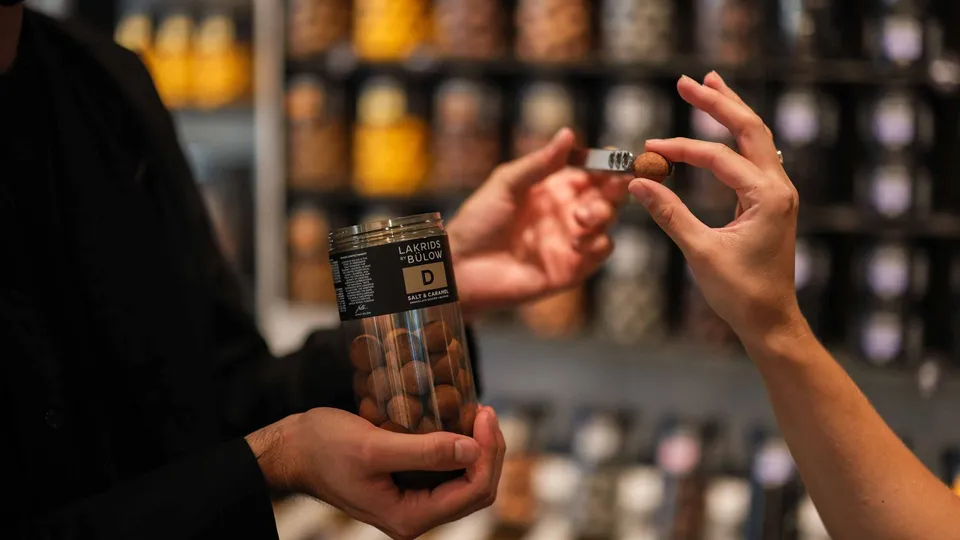
These initiatives demonstrate that travel retail understands the value of allowing shoppers to engage with unfamiliar products. But they also raise a wider question: what happens when the launch activation ends? How does a brand continue communicating its provenance, identity and differentiation when it returns to the everyday shelf?
If discovery is to become a consistent part of the shopping experience, rather than something concentrated around individual launches, storytelling needs to extend beyond temporary activations and become part of everyday retail execution.
Genuine new-brand discovery
The opportunity for genuinely new brands to introduce themselves into travel retail is essential to strengthening discovery. The arrival of brands such as Au Vodka raises an important distinction between introducing products with established consumer recognition and creating opportunities for genuinely unfamiliar brands.
While established consumer demand can understandably justify prominent distribution and display support, travel retail should not rely solely on brands that have already built recognition elsewhere. If discovery is genuinely central to the industry's identity, it must also create opportunities for emerging brands to build shopper awareness and demand.
Arguably, the industry is celebrating the arrival of already sought-after brands as discovery, while the development of commercially viable ways to introduce unfamiliar brands to travellers remains overlooked.
So, is travel retail really discovering new brands, or simply responding to brands shoppers have already discovered elsewhere?
From industry ambition to shopper experience
Travel retail has a genuine opportunity to strengthen its position as a channel for discovery. But doing so requires the industry to look beyond the number of new brands being introduced and consider whether those brands are being given meaningful opportunities to engage with shoppers.
Securing a listing should be the beginning of the discovery process, not the end. Visibility, effective storytelling and the communication of genuine product differentiation must become central considerations in how emerging brands are introduced and supported in-store.
This does not mean every new brand requires extensive distribution or expensive standalone activations. Rather, retailers and brands must consider how the space available can be used more effectively to attract attention, communicate value and give unfamiliar products a credible opportunity to be considered.
If travel retail wants to retain discovery as a defining part of its identity, it must ensure that discovery is something travellers genuinely experience, rather than simply something the industry celebrates.
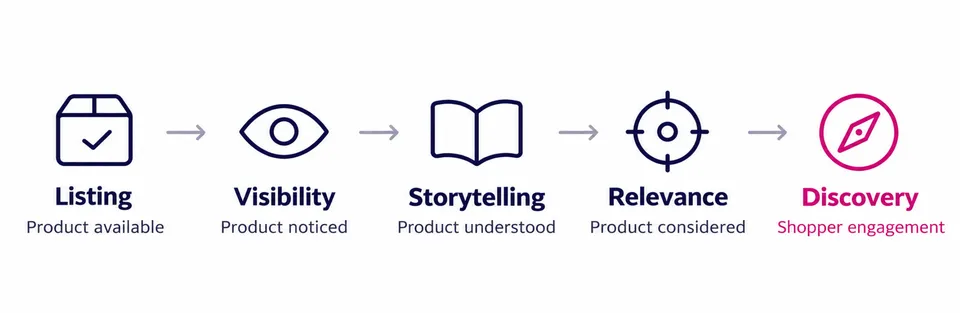
Turning shelf insights into opportunities for discovery
At Shelftrak, we help brands and retailers understand how products are actually represented in-store, from distribution and shelf space to facings, positioning and promotional visibility.
For new and emerging brands, this means looking beyond securing an initial listing to identify opportunities to strengthen visibility, expand distribution and establish a more meaningful presence at the shelf.
For retailers, our data provides an independent view of how shelf space is allocated, where gaps in distribution and execution exist, and how the retail environment could be optimised to better support both established and emerging brands.
By turning store-level insights into actionable opportunities, Shelftrak helps the industry move beyond simply introducing new brands towards creating more effective environments for genuine product discovery.
Want to understand how your brands are represented at the shelf and where opportunities for stronger retail execution exist? Request a demo with Shelftrak to discover how our store-level insights can support more informed commercial decisions.
Shelftrak Inside Trak Newsletter
Retail execution trends, analysis and data-led intelligence delivered straight to your in-box
Get the latest news and commentary on pricing, compliance, shelf visibility, and execution trends driving category and channel growth worldwide.
· Zero spam · Unsubscribe at any time
Related Reading
22 October 2026
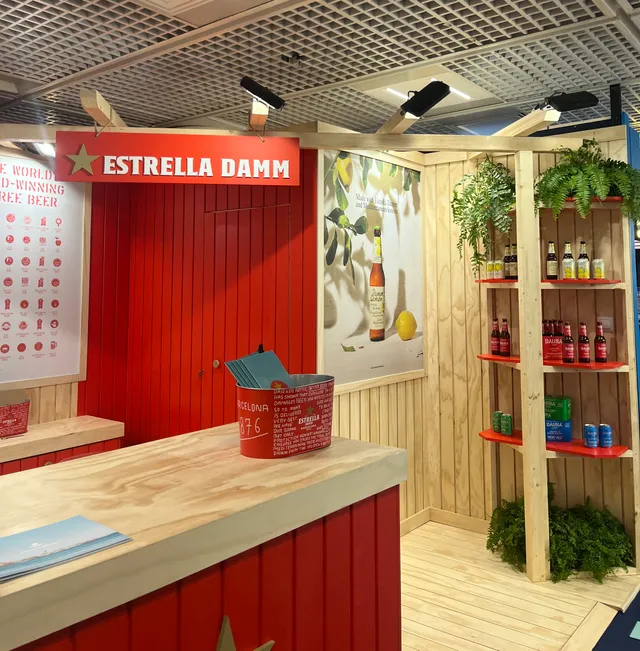
Travel RetailBeyond the bottle: Alcohol at Cannes 2026
From bold flavours to immersive experiences, Cannes 2026 showcased alcohol innovation. But is the airport shelf keeping pace?
20 October 2026
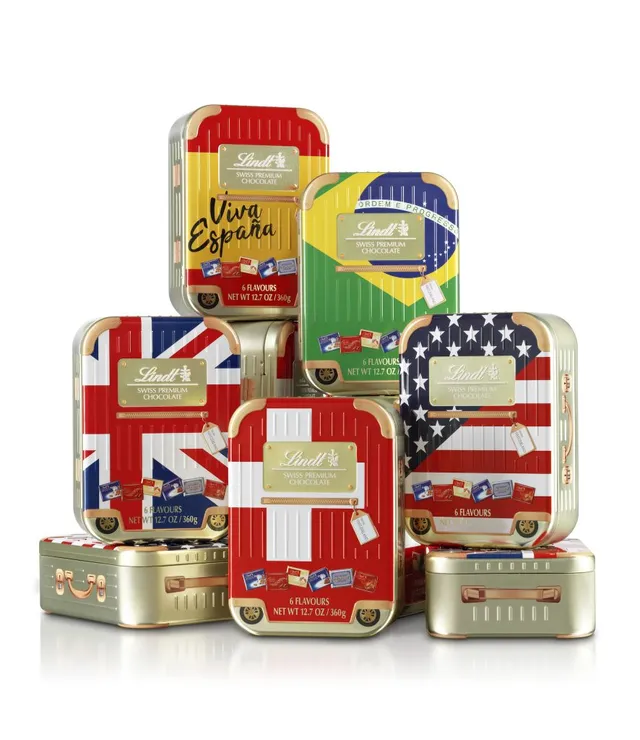
Travel RetailA taste of place: Confectionery at TFWA Cannes 2026
Confectionery's biggest opportunity isn't simply creating more innovative products. It's giving travellers a compelling reason to buy them at the airport.

15 September 2026
Travel RetailThe travel retail shopper is changing. Is the shelf keeping up?
The travel retail shopper is changing. As purchasing power and expectations shift, the shelf must follow.