
TFWA Cannes 2026 showcased an alcohol industry experimenting with how it attracts travellers. It was evident that brands are no longer relying solely on the traditional appeal of a recognisable bottle or an established reputation. Instead, clear efforts were being made to generate interest and encourage purchase through an increasingly diverse range of marketing strategies.
Walking around the exhibition, it felt as though no two alcohol stands were the same. From chilli-infused vodka and colourful RTD cocktails to immersive bar environments and tasting experiences, brands were approaching the challenge of attracting travellers in remarkably different ways. The sheer variety of innovations on display highlighted just how many directions the category is evolving in.
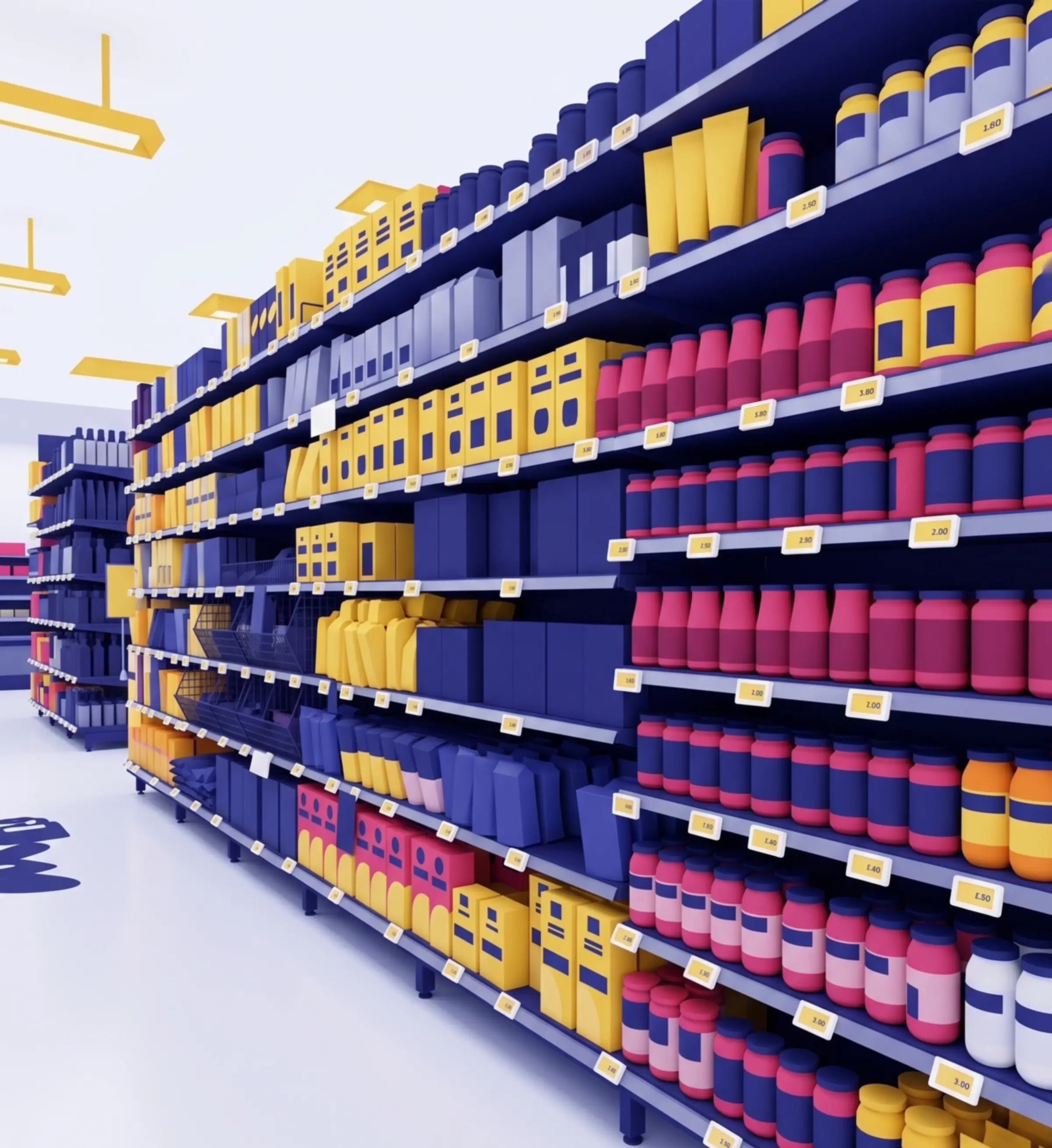
Yet while these innovations are taking the category in different directions, they are ultimately competing for the same thing: the traveller's attention, and a place on an increasingly crowded airport shelf.
Shelftrak's Q3 2026 data highlights this growing competition. Across 84 matched stores, the number of distinct alcohol SKUs increased by 17.2% compared with Q3 2025, while total shelf space declined by 1.3%.
Alcohol brands may be finding more ways to attract travellers, but the airport shelf isn't expanding to accommodate them. With more products competing for limited space, securing sufficient visibility is becoming increasingly important if these innovations are to fulfil their commercial potential and ultimately encourage purchase.
New flavours, new formats, new occasions
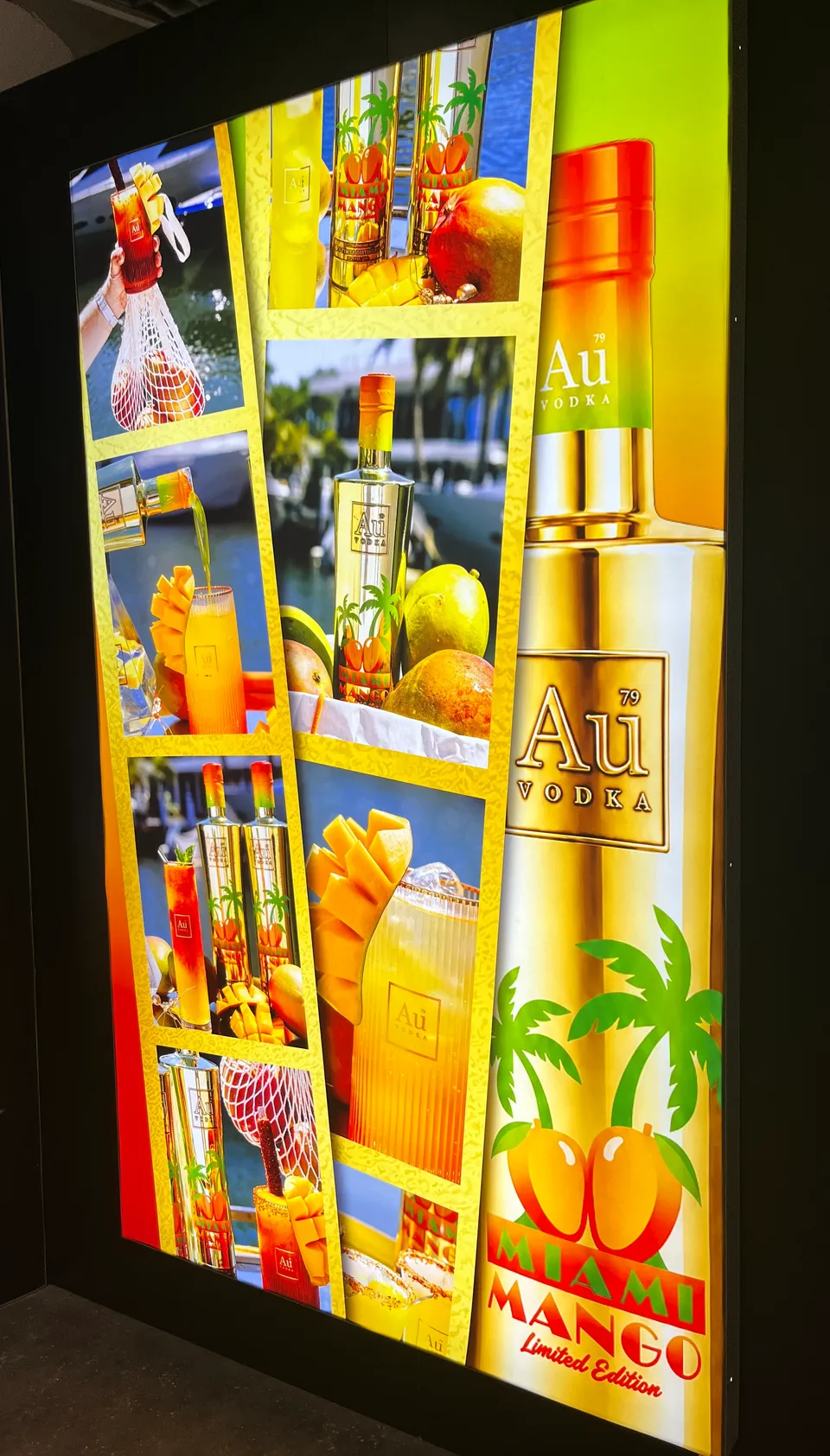
Flavour experimentation was a noticeable trend at Cannes. Both established and emerging spirits brands sparked feelings of novelty and discovery through flavour-led innovation. Bold combinations such as Absolut Tabasco stood out as something new and exciting to try within an established vodka category, while Au Vodka's Limited Edition Miami Mango offered a colourful, flavour-led proposition for travel retail. Within premium spirits, the pattern was also noticeable, with Grey Goose Berry Rouge providing another example.
Rather than competing exclusively for traditional spirits purchases, brands are creating propositions that fit different lifestyles, preferences and occasions — and ready-to-drink (RTD) cocktails are a clear example of this shift.
Offering convenience, smaller formats and an accessible way to experiment with new flavours, RTDs appeal to consumers, particularly younger adults, seeking something less formal than traditional spirits consumption. They are creating new opportunities for brands to engage consumers beyond the conventional spirits purchase, potentially even capturing purchases travellers might otherwise make at their destination.
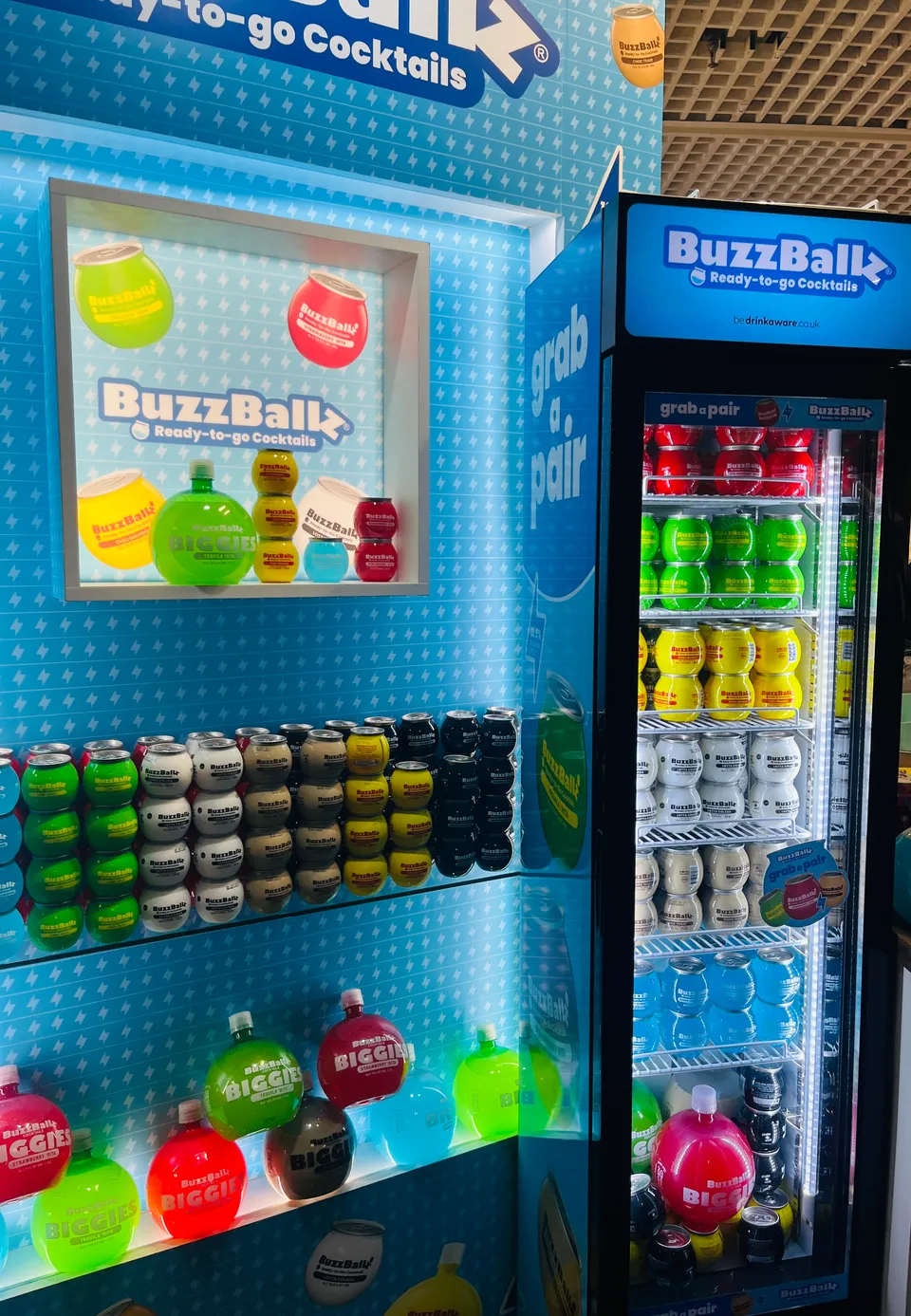
The prevalence of RTD innovation at Cannes was hard to miss. Halewood introduced three Dead Man's Fingers cocktails to global travel retail, Henkell Freixenet showcased new canned spritz formats, and BuzzBallz stood out with its colourful, spherical ready-to-drink cocktails.
The wider drinks market suggests that this shift has growing commercial significance. According to IWSR, global RTD sales volumes grew by 3% in 2025, with spirits-based RTDs growing by 7%. Their appeal among younger adults is also notable, with NIQ research finding that 69% of British RTD consumers surveyed were aged 18–34.
With this growing interest, it is unsurprising that RTDs are increasingly reaching more airport stores and appearing in more assortments. Shelftrak's matched-store analysis from August 2025 to August 2026 revealed a 73.2% increase in RTD store-SKU listings. Despite this expansion, the total shelf space allocated to RTDs declined by 23.2%. RTDs are therefore reaching more stores and appearing in more assortments, but occupying less shelf space overall.
This raises an important question about whether individual products are receiving sufficient visibility to stand out. Securing distribution is only part of the challenge; ensuring that products receive appropriate space and prominence to attract shoppers and ultimately encourage purchase is equally important.
Moderation becomes part of the proposition
Changing attitudes towards alcohol consumption — NIQ found that 54% of UK consumers in 2025 were moderating their alcohol intake — are also influencing the products brands bring to travel retail. With growing interest in moderation and alcohol-free alternatives, brands are increasingly recognising that consumers have different drinking preferences and occasions to cater for.
This was reflected at Cannes, where Damm showcased Estrella 0.0, and Henkell Freixenet presented Freixenet Diamond 0.0%, a premium alcohol-free sparkling wine. These products demonstrate how brands are broadening their portfolios to cater for a wider range of drinking preferences, recognising that not every traveller wants to consume alcohol.
Yet Shelftrak's Q3 2026 audit reveals that low/no alcohol products remain relatively limited in airport retail, with just 38 distinct SKUs recorded across 35 of 100 stores. Despite growing consumer interest in alcohol-free alternatives, this suggests that the category has yet to achieve widespread airport distribution.
For brands showcasing these innovations at Cannes, the challenge therefore extends beyond recognising changing consumer preferences and developing products to meet them. It is ensuring that these products actually reach airport shelves, where travellers can discover and purchase them.
The experience extends beyond the bottle
Brand investment in experiences that give travellers a reason to stop, not just a reason to buy, also emerged at TFWA Cannes as a growing strategy. Many brands were positioning their retail environments as part of the attraction, creating opportunities for visitors to engage with products in ways that extended beyond conventional displays.
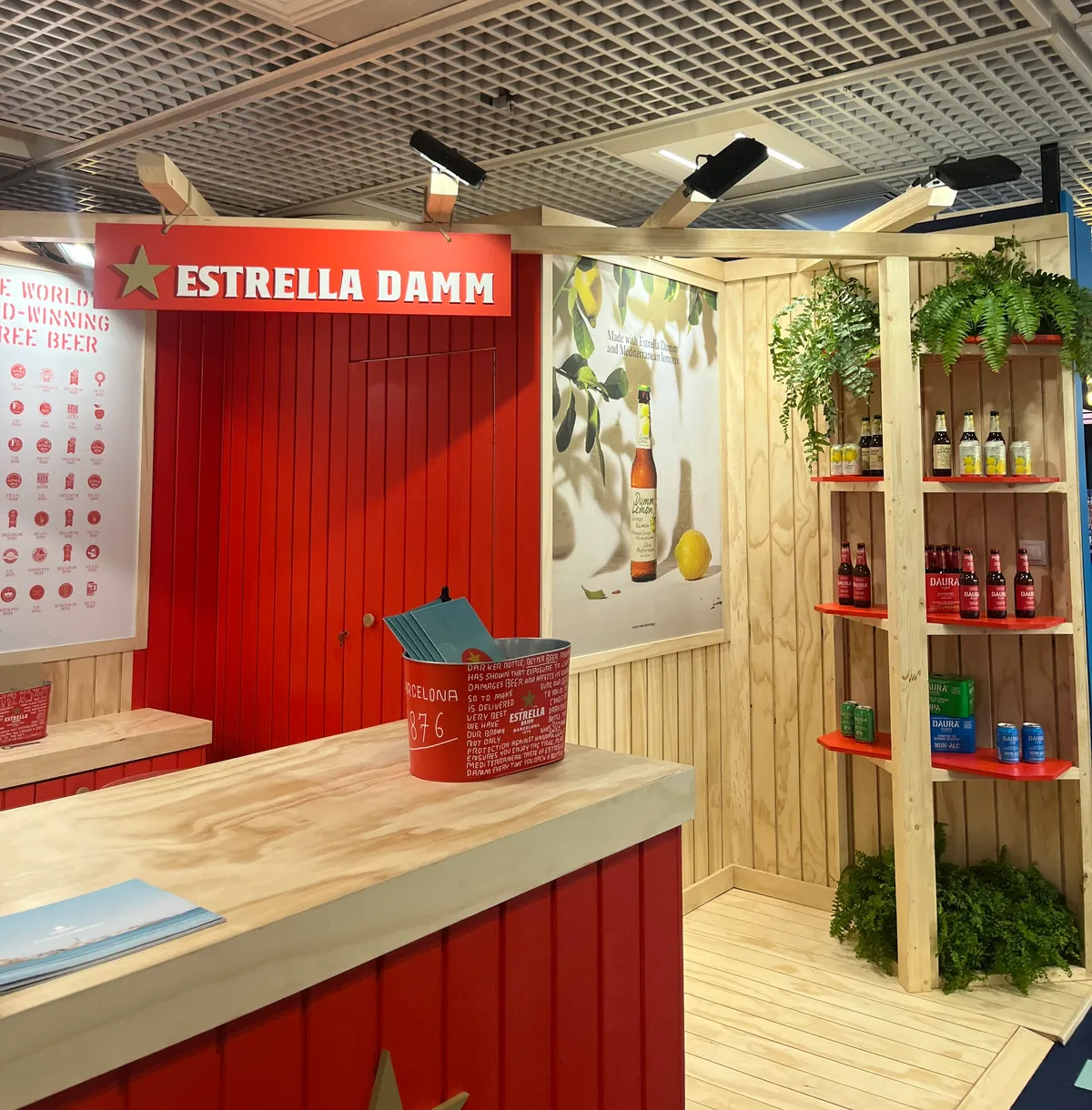
The immersive bar environments created by Corona and Estrella made visitors feel part of the brands' wider worlds, bringing their products and identities to life. Meanwhile, dedicated cocktail and spritz experiences, including those from Bacardi and Henkell Freixenet, encouraged product discovery through tasting and direct engagement.
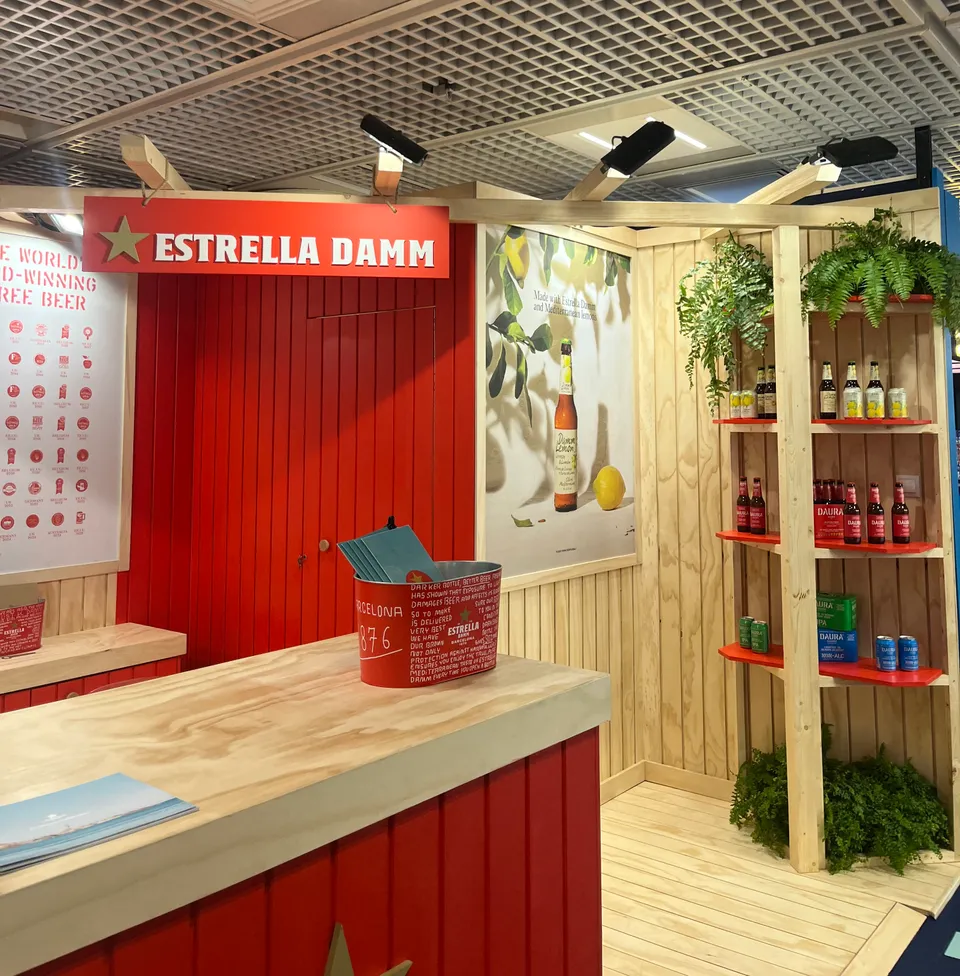
These experiences allow brands to communicate their identity in ways that packaging alone cannot. Rather than simply presenting a product, they create an immersive environment in which there is an opportunity to try something new, interact with the brand and engage with its products in a more memorable way.
While these experiences are designed to attract attention and generate excitement, translating them into airport retail presents a different challenge. At Cannes, brands have the freedom to create elaborate environments dedicated to showcasing their products. In airport stores, however, they must compete for space and attention alongside numerous other brands. The challenge is finding ways to recreate some of that excitement within the constraints of everyday retail, whether through distinctive displays, product placement or opportunities for shoppers to discover something new.
The airport shelf faces a different challenge
The innovations showcased at Cannes demonstrate just how many directions the alcohol category is evolving in. But they also highlight a growing challenge for brands and retailers: as assortments become more diverse, decisions about which products to stock, where to distribute them and how prominently to display them become increasingly important.
The Shelftrak findings illustrate this tension. RTDs are gaining distribution without corresponding growth in shelf space, while low/no alcohol alternatives are expanding in variety without reaching more stores. These examples demonstrate how innovative products do not necessarily translate into an equally effective retail proposition.
For brands, the challenge is understanding whether their innovations are reaching the right airports and stores, receiving sufficient space, facings and prominence, and being presented consistently across retail environments.
For retailers, it is about ensuring that an increasingly diverse assortment creates meaningful choice for travellers, rather than simply adding more products to an already competitive shelf.
As competition for space intensifies, understanding these differences could become just as important as developing the next innovation.
Cannes is only the beginning
Cannes demonstrated an alcohol category becoming more inventive, inclusive and experience-led. These developments offer brands new ways to engage travellers, but they also intensify competition within airport stores.
For brands and retailers, the challenge is ensuring that the innovation showcased at Cannes translates into effective assortment, distribution and execution. While innovation creates the opportunity, how it is delivered at the shelf determines how much of that opportunity can be realised.
Cannes is where innovation is unveiled. The airport shelf is where its commercial potential is tested.
Want to understand whether your products are receiving the distribution and visibility they need to compete? Discover how Shelftrak can help.
Shelftrak Inside Trak Newsletter
Retail execution trends, analysis and data-led intelligence delivered straight to your in-box
Get the latest news and commentary on pricing, compliance, shelf visibility, and execution trends driving category and channel growth worldwide.
· Zero spam · Unsubscribe at any time
Related Reading
20 October 2026
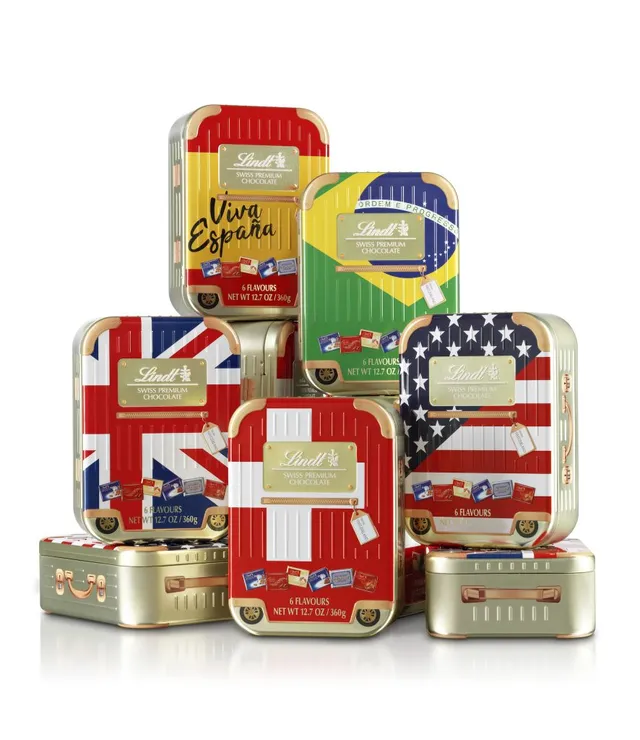
Travel RetailA taste of place: Confectionery at TFWA Cannes 2026
Confectionery's biggest opportunity isn't simply creating more innovative products. It's giving travellers a compelling reason to buy them at the airport.
18 October 2026
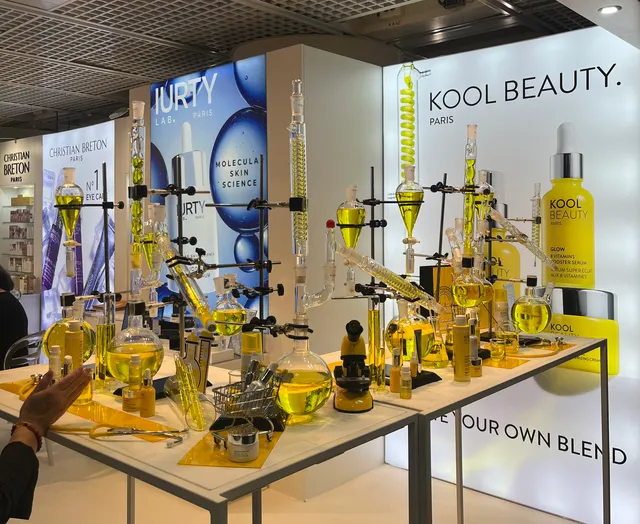
Travel RetailTFWA Cannes 2026: Beauty is getting smarter. Can the shelf keep up?
From clinical skincare to AI-powered experiences, TFWA Cannes 2026 revealed how beauty is evolving and why effective shelf execution matters more than ever

15 September 2026
Travel RetailThe travel retail shopper is changing. Is the shelf keeping up?
The travel retail shopper is changing. As purchasing power and expectations shift, the shelf must follow.