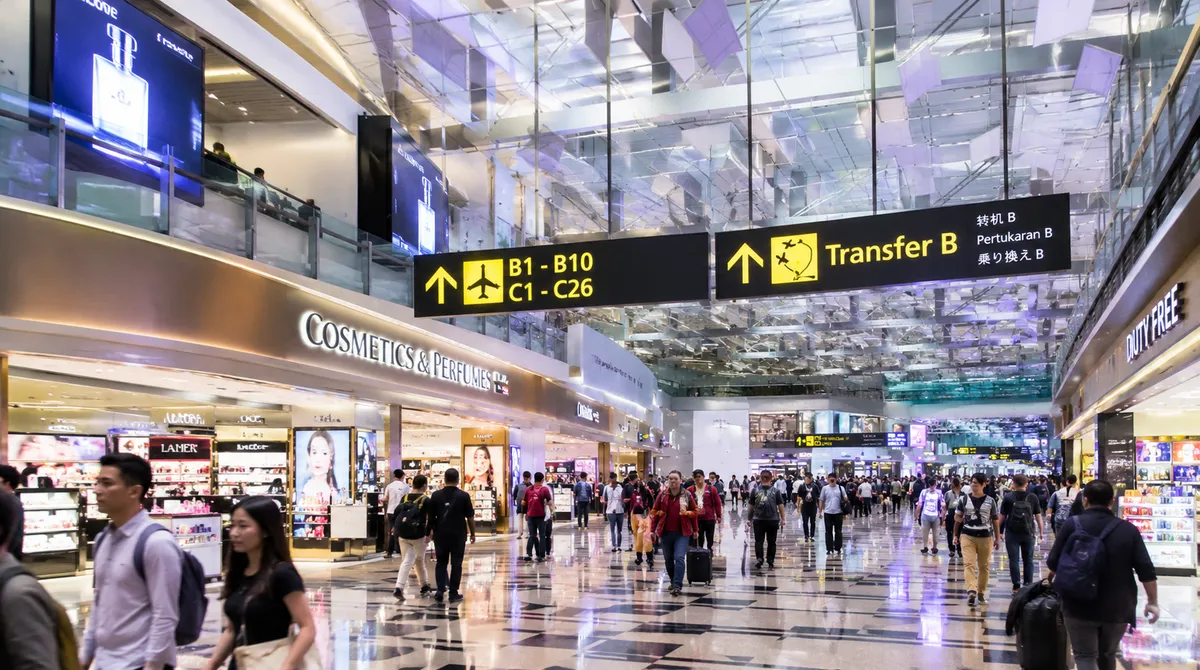

Travel retail has opportunities to shape what travellers buy long before they reach the shelf. In collaboration with brand and customer journey specialist Charlene Jagannath, we explore how connecting pre-trip promotions, in-flight advertising and the in-store experience can make it easier for travellers to find what caught their attention and give them a reason to buy.
The passenger journey is far from straightforward. From planning and preparing for departure to navigating the airport, boarding a flight and arriving at a destination, travellers are constantly moving between different environments, priorities and demands on their attention.
Throughout this journey, shopping competes with everything from security and boarding to dining and relaxation. Travellers are exposed to a wealth of advertising, promotions and brand experiences, so even compelling messages can quickly be forgotten.
For travel retail, this presents a significant challenge. Capturing a traveller’s attention at a single moment is not enough. Brands need to build interest before departure, sustain it through connected touchpoints and ensure the retail experience ultimately delivers.
Yet too often, brands approach activations, price-led promotional campaigns and advertising placements as isolated opportunities, without fully considering the customer's needs or how these activities contribute to the wider passenger journey.
For Charlene Jagannath, a brand and customer journey specialist with experience across travel, aviation, retail and hospitality, this philosophy is central to her approach:
“Travel retail isn't just a destination, it's a journey of discovery, moments, emotions and opportunities.”
The commercial opportunity lies in making the most of these moments, connecting initial awareness with genuine interest and ensuring the experience awaiting travellers at the shelf gives them a compelling reason to purchase.
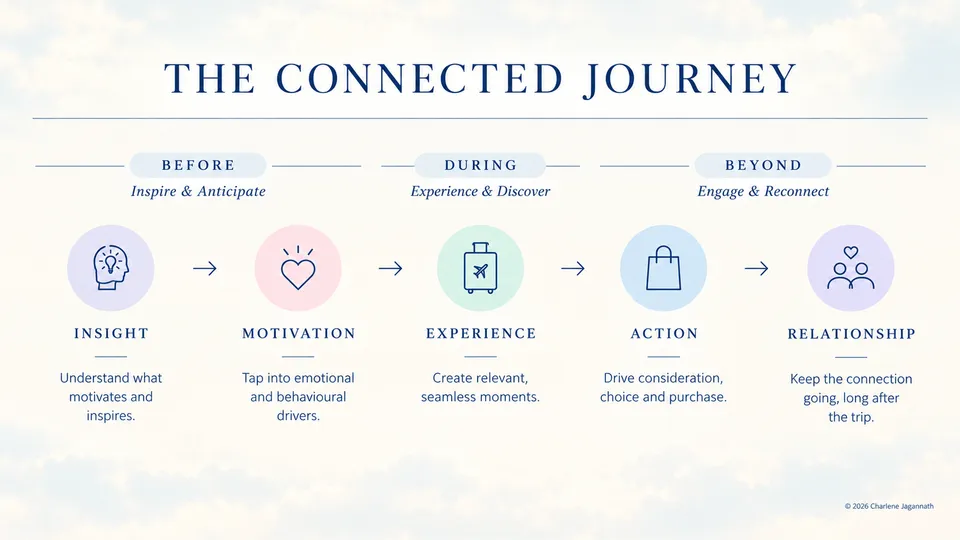
Before the airport: turning awareness into intention
Pre-airport communications offer brands a valuable opportunity to influence travellers before they even begin their journey. Promotional emails, product announcements and targeted offers can introduce new products, build anticipation and encourage travellers to actively seek out a particular retail experience.
Yet, in Charlene's experience, brands frequently overlook some of the most basic elements needed to turn this initial interest into meaningful engagement.
Even something as simple as failing to communicate where a promoted product or activation can be found can undermine an otherwise compelling campaign. Relying on travellers to independently discover a brand, rather than actively building awareness, consideration and intent before they reach the retail environment, places the responsibility on the customer to seek out the experience. This creates unnecessary friction in the passenger journey, when brands should instead be making it easier for travellers to engage with them.
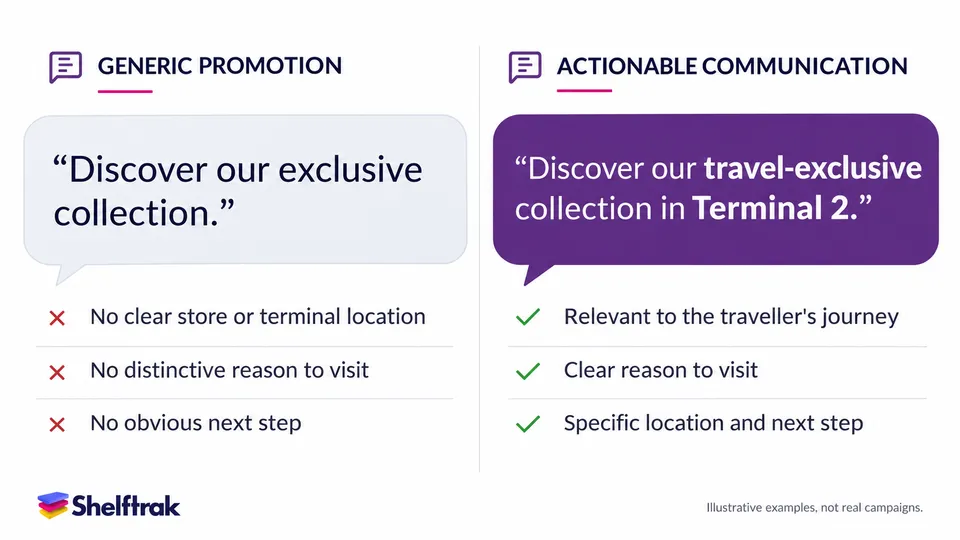
An email advertising an exclusive spirits launch or beauty pop-up is of limited value if travellers are left to work out which terminal or store they need to visit. With airport time already competing with other priorities, even interested travellers are unlikely to spend dwell time searching for an experience they cannot easily locate.
But the challenge extends beyond providing practical information. Charlene has also observed that many pre-travel promotions struggle to stand out among the volume of messages travellers receive. Simply advertising a product or announcing its availability does not necessarily give someone a compelling reason to seek it out.
Brands must think more strategically about what they are asking travellers to do, and why the experience deserves their attention. Rather than relying on generic blanket promotions and price comparisons that create choice fatigue, brands need to work more closely with airport travel retail providers to strengthen communications by incorporating relevant information such as departure terminals, destinations and traveller interests.
A traveller departing from a particular terminal might receive an invitation to discover a limited-edition product available only there, while someone travelling to a specific destination could be introduced to a relevant gifting experience or destination-exclusive collection. Clear location details and a distinctive proposition can turn a routine promotional message into something worth planning around.
Effective pre-travel communications should not simply tell travellers what is available. They should give them a reason to want it and make it easy for them to find it.
During the journey: making every interaction count
With travellers encountering constant streams of advertising and promotions, even prominent campaigns risk being forgotten when they operate as isolated moments rather than part of a wider experience.
Consider a premium spirit brand whose advertisement appeared on the seatback panels of a commercial airline, placing it directly in front of passengers throughout the flight. This was a valuable opportunity to engage a captive audience, yet the advertisement appeared to operate in isolation. There had been no earlier encounter with the campaign, no corresponding promotion encountered in duty free and no clear direction on where to find the product after landing.
The advertisement presented a missed opportunity to turn sustained passenger attention into meaningful engagement. As part of a wider campaign, the advertisement could have reinforced interest generated before departure, promoted an exclusive product at the destination or directed travellers towards a participating retailer.
Equally, a relevant in-flight offer or sample would have given passengers a compelling reason to engage while the brand had their attention. Instead, the advertisement delivered visibility without a clear co-branded message, incentive to act or meaningful connection to the next stage of the journey.
Visibility alone should not be taken for granted and does not guarantee meaningful engagement. Brands need to consider not only where their advertising appears, but how their brand is represented throughout the passenger journey and what they want travellers to do as a result.
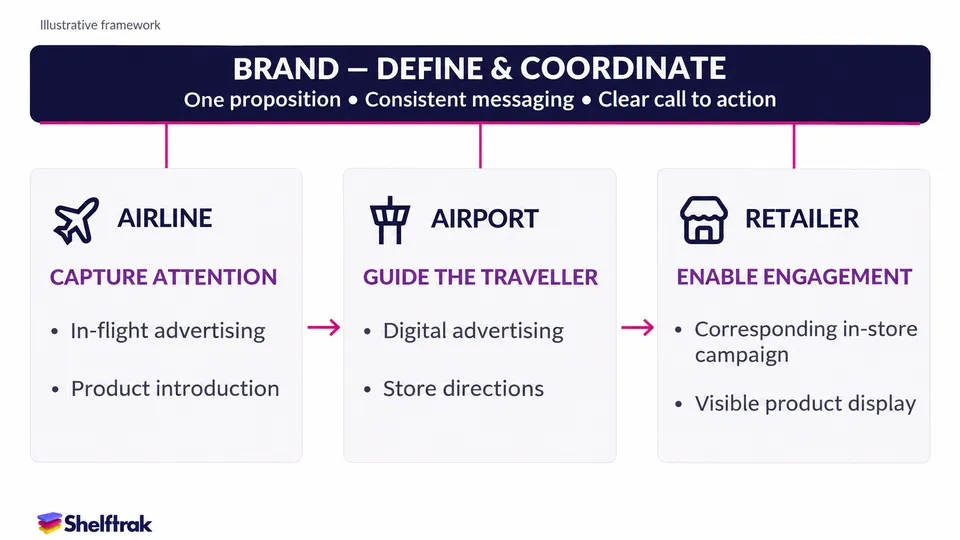
This is where closer collaboration between airlines, airports, retailers and brands becomes essential. Rather than treating advertising placements as individual opportunities, each stakeholder should consider how its touchpoints can reinforce previous interactions and guide travellers seamlessly towards the next stage of their journey.
The objective is not to expose travellers to more advertising, but to make each interaction more purposeful. A well-placed advertisement creates an opportunity to influence behaviour; a connected campaign gives travellers a reason to act and can leave a lasting impression, long after departure.
At the shelf: where the promise must become reality
The ultimate objective of a connected passenger journey is to turn interest into purchase. Brands can invest heavily in building anticipation and guiding travellers towards a product, but the sale is ultimately won or lost in-store. If the experience at the shelf fails to meet expectations, much of that earlier investment risks going unrewarded.
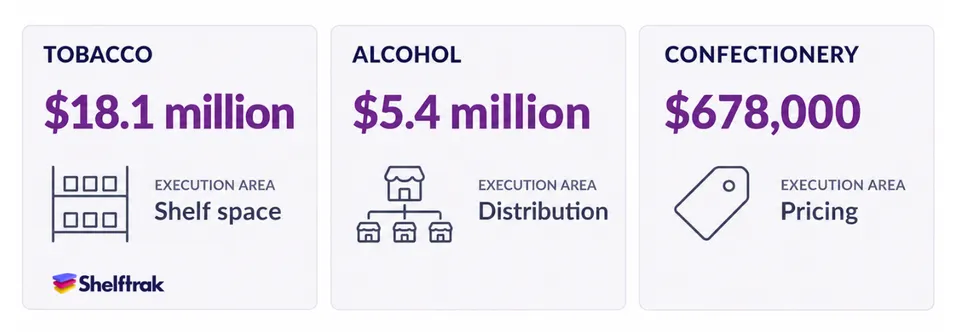
The commercial implications are significant. Shelftrak's recent Size of Opportunity analysis has identified substantial opportunities for major travel retail brands to strengthen their in-store execution.
Insufficient shelf space and poor eye-level visibility can limit a product's prominence in store, even when demand has already been generated. Distribution gaps can leave travellers unable to find products they have been encouraged to seek out, while inconsistent pricing and promotional execution can undermine the value proposition communicated earlier in the journey.
For a leading tobacco brand, Shelftrak identified a modelled $18.1 million annual retail sales opportunity associated with shelf space. A major alcohol brand had a modelled $5.4 million opportunity associated with distribution, while a leading confectionery brand had a modelled $678,000 opportunity associated with pricing.
A product may be listed in a store, but that tells brands little about how effectively it is being presented to travellers. Without accurate store-level intelligence, brands risk generating demand without knowing whether the retail environment is equipped to support it.
This becomes even more important as brands adopt increasingly personalised communications and AI-driven recommendations. More sophisticated targeting must be matched by accurate store-level intelligence, ensuring the products and experiences being promoted reflect what travellers will actually encounter.
Ultimately, the shelf is where the promises made throughout the passenger journey must be delivered. Connecting marketing investment with the reality of in-store execution is essential to turning traveller interest into commercial opportunity.
Connecting the journey: from interest to purchase
The opportunity for travel retail is not simply to capture more attention, launch more promotions or invest in increasingly elaborate activations. It is to make existing investments work harder by connecting the experiences that generate interest with those that ultimately influence purchase.
Achieving this requires closer collaboration between brands, airlines, airports and retailers. Each has a role in shaping the passenger journey, but their efforts must work towards a shared objective: giving travellers a compelling reason to engage, making that experience easy to access and ensuring the retail environment delivers on the expectations created.
As Charlene explains:
“By understanding what motivates travellers and connecting with them at every stage of their journey, brands can create more meaningful experiences, influence decisions and build lasting relationships.”
AI-assisted statement reflecting Charlene Jagannath's professional perspective.
For the industry, this means rethinking how campaigns are created and measured. Success cannot be judged by exposure or engagement alone. Brands must also understand what happens when travellers reach the store, ensuring their marketing investment is supported by the reality at the shelf.
Travel retail has no shortage of opportunities to influence travellers. The priority now is to connect those opportunities, deliver on the promises made and turn more of that investment into purchases, while building relationships that extend beyond the journey itself.
About Charlene Jagannath
Charlene is a Brand & Customer Journey Specialist with experience across travel, aviation, retail and hospitality.
Bringing together brand strategy, integrated marketing, retail activation, partnerships and the use of behavioural science, Charlene explores how brands can better understand traveller motivations and create more connected brand experiences across the entire customer journey.
Her work focuses on the relationship between inspiration, discovery and engagement, championing a Before, During & Beyond approach to help brands build stronger customer connections, influence behaviour and unlock commercial opportunities.
Shelftrak Inside Trak Newsletter
Retail execution trends, analysis and data-led intelligence delivered straight to your in-box
Get the latest news and commentary on pricing, compliance, shelf visibility, and execution trends driving category and channel growth worldwide.
· Zero spam · Unsubscribe at any time
Related Reading
10 November 2026
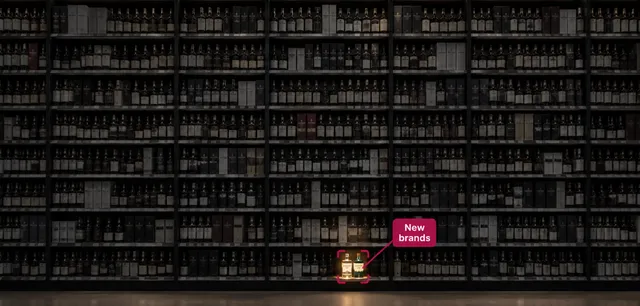
Travel RetailTravel retail celebrates discovery. But are new brands actually being discovered?
Travel retail celebrates discovery, but are new brands actually being noticed? Shelftrak reveals the gap between securing a listing and reaching shoppers.
22 October 2026
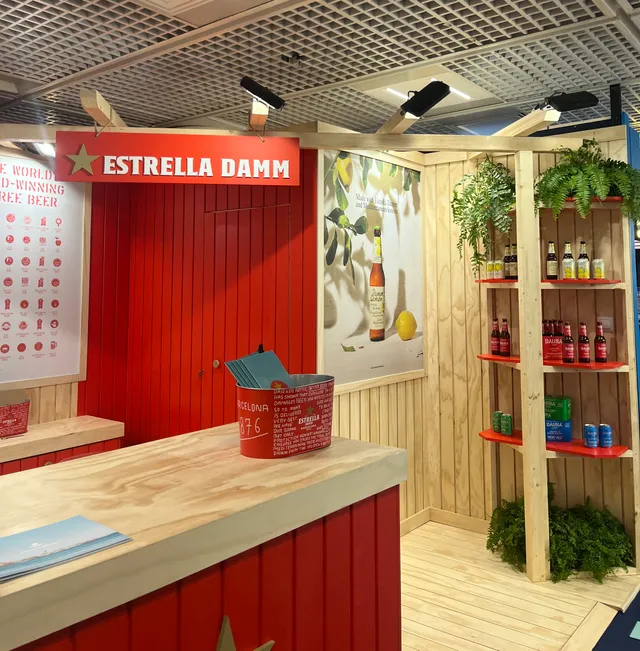
Travel RetailBeyond the bottle: Alcohol at Cannes 2026
From bold flavours to immersive experiences, Cannes 2026 showcased alcohol innovation. But is the airport shelf keeping pace?
20 October 2026
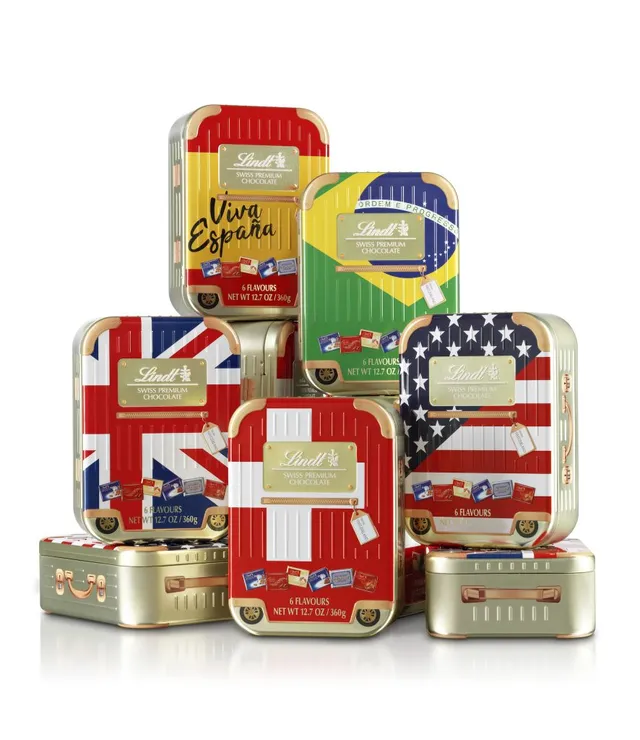
Travel RetailA taste of place: Confectionery at TFWA Cannes 2026
Confectionery's biggest opportunity isn't simply creating more innovative products. It's giving travellers a compelling reason to buy them at the airport.