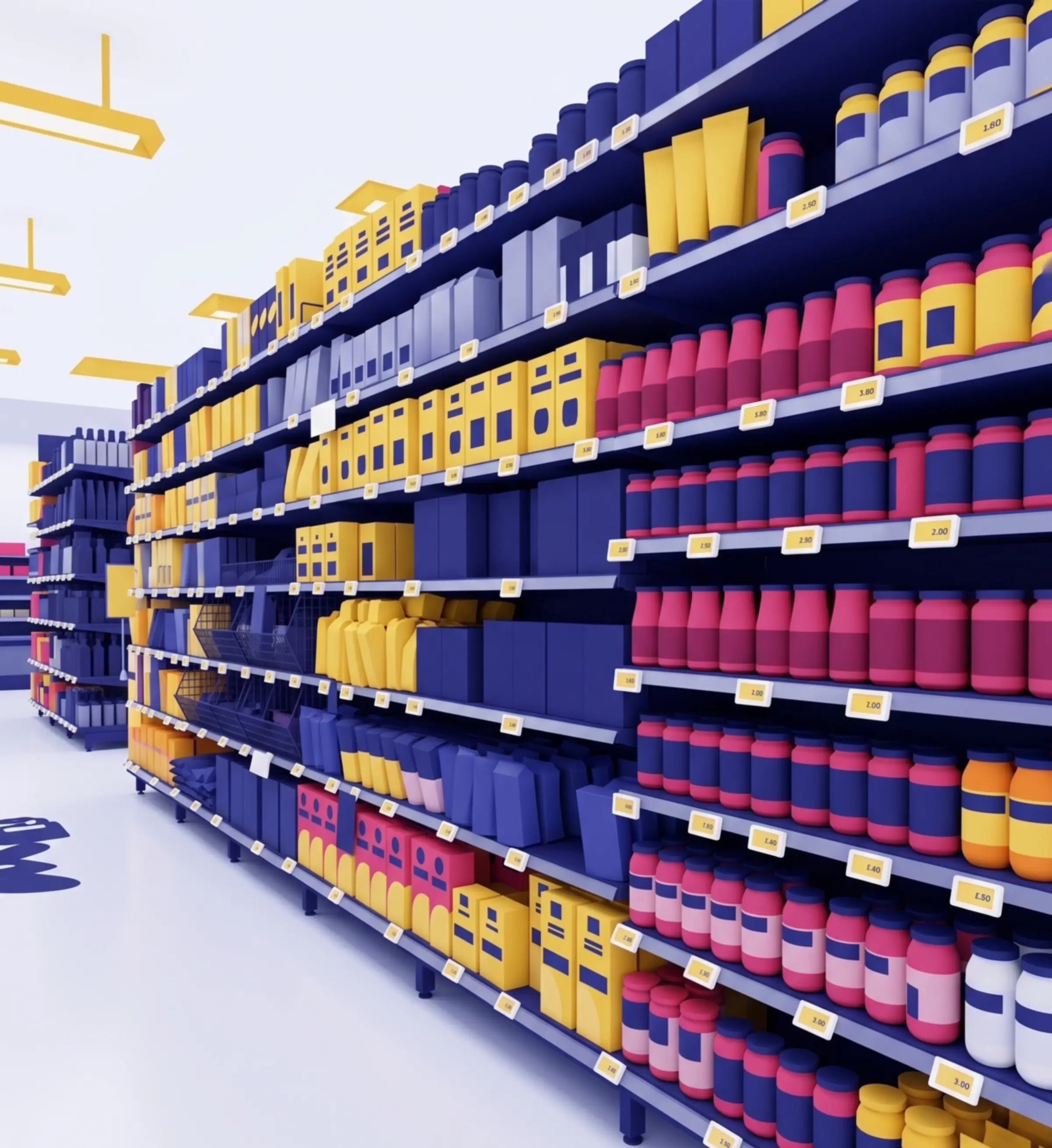

Travel retail has traditionally organised its stores around product categories, with alcohol, confectionery, beauty and tobacco occupying their own defined areas. Whilst this structure provides a familiar way for travellers to navigate the retail environment, it raises an important question about whether stores are genuinely organised around the way shoppers make purchasing decisions.
Travellers do not necessarily enter an airport store looking for a particular product category. Instead, they arrive with different shopping missions, whether that involves purchasing a gift, replenishing a familiar product, treating themselves or discovering something entirely new. Yet despite these differing intentions, shoppers are largely expected to navigate the same category-led retail environment.
As Shelftrak Managing Director Garry Stasiulevicuis recently discussed in his interview with Peter Marshall, there is an important disconnect between how stores are organised and the missions shoppers arrive with. If travel retail wants to create a more relevant and engaging shopping experience, it must question whether its traditional approach is sufficiently accommodating these different needs.
Different missions require different shopping experiences
Consider the difference between a traveller looking to replenish their usual bottle of whisky, someone hoping to discover an unfamiliar product as a treat for themselves and a person searching for a gift for a friend.
The first shopper already knows what they want, meaning their priorities are likely to be convenience, availability, clear pricing and the ability to locate their chosen product quickly. Someone looking to discover a new product, however, requires opportunities to explore unfamiliar brands, understand what makes them distinctive and feel confident enough to consider purchasing something they have not previously encountered. Meanwhile, a traveller searching for a gift may have a particular recipient, occasion or budget in mind, but little idea which product or category would be most appropriate.
These shopping missions require different levels of guidance, visibility and engagement, yet traditional category-led retail largely expects travellers to navigate the same environment regardless of what they are trying to achieve. Whilst the shelf remains essential to supporting each mission, retailers must also consider whether the wider store environment provides sufficient opportunities for shoppers to explore their needs without having to independently search across different product categories.
What can travel retail learn from domestic retail?
Retailers across international markets have long recognised the value of organising shopping experiences around particular occasions rather than relying exclusively on traditional product categories.
In the US, for example, Nordstrom has introduced dedicated in-store gifting spaces that bring together products from different categories, whilst department stores such as Mitsukoshi in Japan place significant emphasis on curated gifting selections.
Seasonal gifting provides another example of this approach, with UK retailers such as John Lewis and Boots introducing dedicated gifting areas during Christmas, bringing together products that would otherwise sit across several different departments. These approaches demonstrate how retailers can organise shopping experiences around customer needs, making it easier to explore relevant products without navigating individual departments independently.
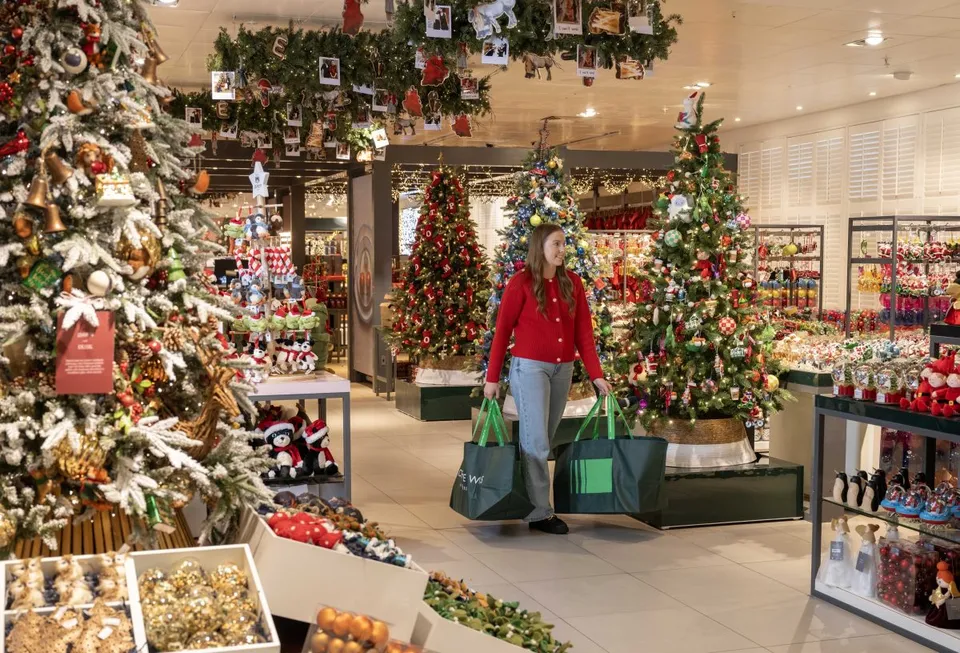
The relevance to travel retail is significant, particularly as gifting is not simply a seasonal opportunity within airports, but a consistent reason for travellers to shop. Yet someone looking for a gift may still need to navigate alcohol, confectionery and beauty separately before identifying the most suitable product.
Dedicated gifting areas could bring together premium spirits, confectionery, beauty gifts, travel exclusives and locally produced products, allowing travellers to explore relevant options based on their mission rather than the category they belong to. Such an approach would not only make the shopping experience more convenient, but could also encourage travellers to consider products and categories they may otherwise overlook.
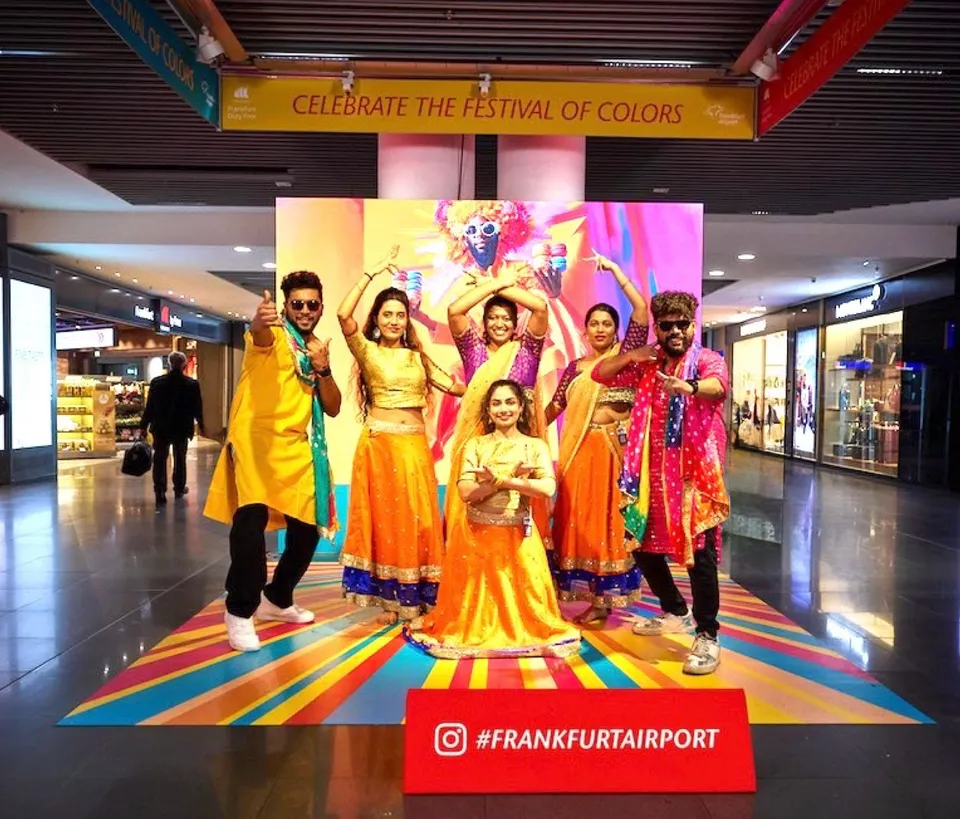
Frankfurt Airport offers a recent example of how this thinking can be applied in travel retail. Its 2026 Diwali retail campaign, targeting passengers travelling to India, recognised the importance of gifting as part of the travel experience. Through targeted communications, promotional offers and personal shopping assistance, the airport demonstrated how retail activity can be tailored to a particular shopping occasion, rather than relying solely on traditional product categories.
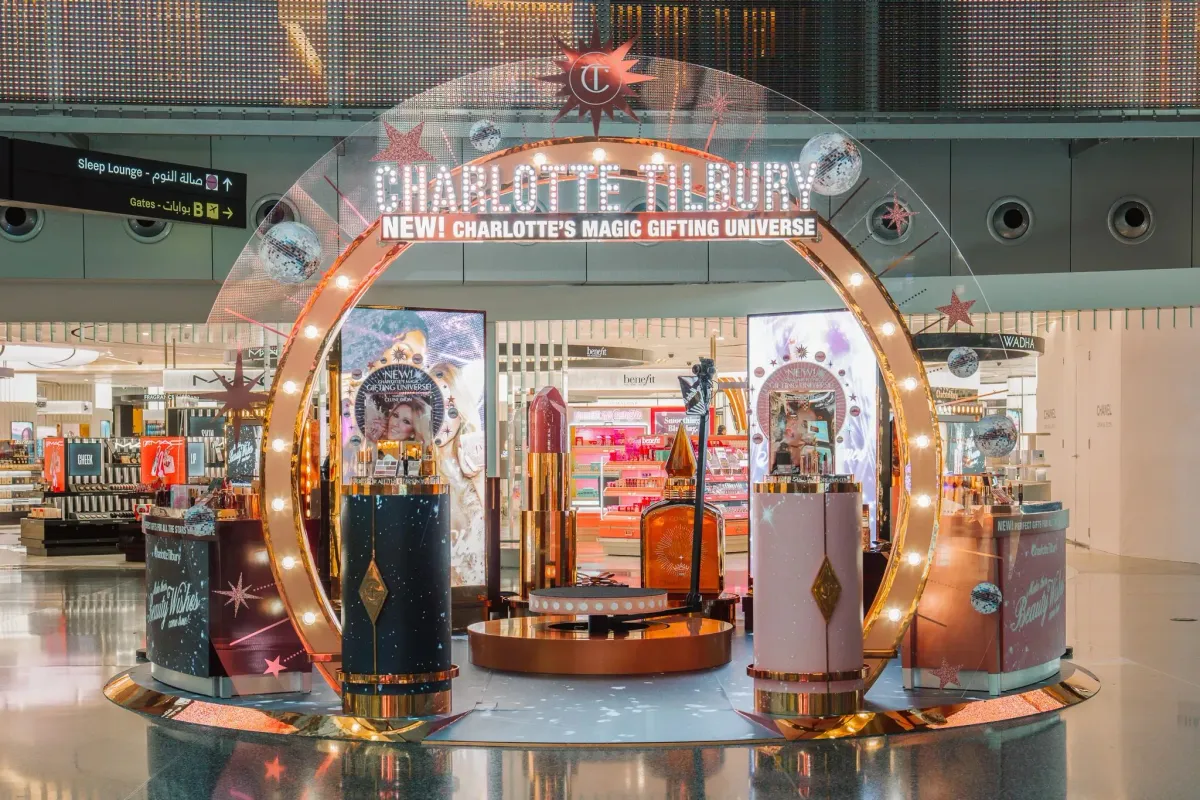
Qatar Duty Free has also demonstrated the commercial potential of creating retail experiences around specific gifting occasions. Its festive ‘Magic Gifting Universe’ collaboration with Charlotte Tilbury brought an immersive gifting experience to Hamad International Airport, with the beauty brand recording a reported 700% year-on-year increase in sales. Although this reflects the performance of a particular activation, it illustrates the opportunities that can emerge when retailers create distinctive experiences around clearly defined shopping occasions.
More recently, Freixenet and Avolta have introduced a festive gifting activation at Barcelona-El Prat Airport, combining product tastings with personalised ribbons and gift messages. Running through January 2027, the activation demonstrates how even individual brand spaces can be adapted around a particular shopping occasion, creating opportunities for travellers to discover products and consider them as gifts.
Meeting the expectations of the online shopper
The opportunity for more relevant navigation becomes increasingly important when considering how online retail has influenced consumer expectations. Online shoppers are accustomed to searching according to their intentions, whether looking for gifts within a particular budget, products for a specific occasion or recommendations based on personal preferences.
Online retail has become particularly effective at helping consumers narrow extensive assortments into selections relevant to their individual needs. Yet within airport stores, travellers can still be expected to navigate large physical assortments primarily through product categories and brand recognition.
Whilst physical retail cannot replicate every aspect of online shopping, travel retail can learn from the principle behind this approach. Clearer mission-led signage, curated selections and more accessible product comparisons could help travellers identify products relevant to what they want to achieve, whilst creating additional opportunities to explore unfamiliar options.
Creating more meaningful opportunities for discovery
Greater flexibility within the retail environment could also strengthen opportunities for product discovery. Beauty retailers such as Sephora and MECCA in Australia demonstrate how curated selections, product testing and specialist guidance can help shoppers explore unfamiliar brands and understand their relevance.
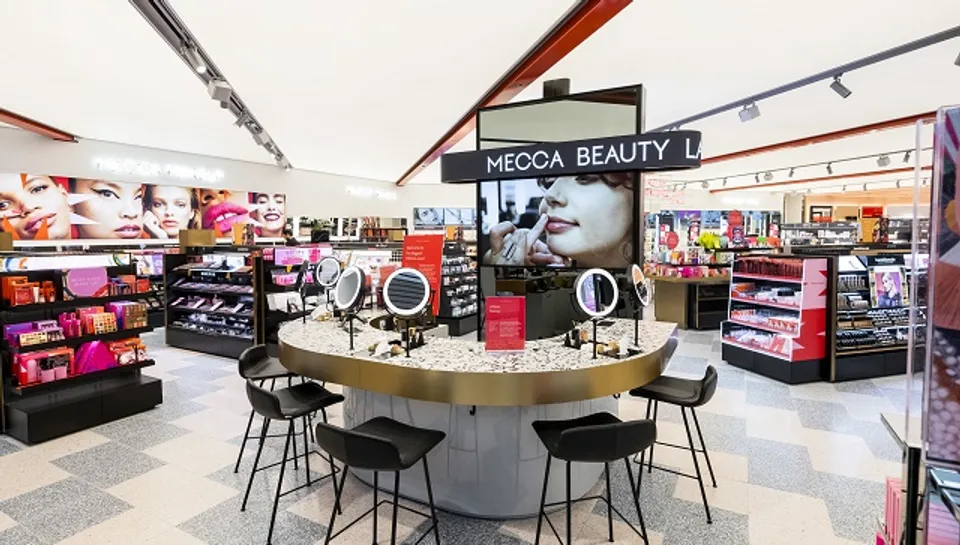
Rather than relying entirely on customers recognising familiar products, these retailers create opportunities for shoppers to engage with products they may not otherwise have considered. Travel retail could apply similar principles through dedicated discovery zones, rotating product selections and shared spaces where unfamiliar brands can be introduced and experienced.
Such concepts could be particularly valuable for emerging brands that may struggle to secure extensive standalone activations, providing opportunities to communicate their identity and differentiation within an environment designed to encourage exploration.
Importantly, this does not mean that travel retail should abandon its traditional category structure. Categories remain essential for shoppers seeking familiar products and for the practical organisation of retail space. However, there is an opportunity to develop more flexible environments where category-led shopping can operate alongside mission-led navigation and dedicated discovery opportunities.
A different approach is already emerging
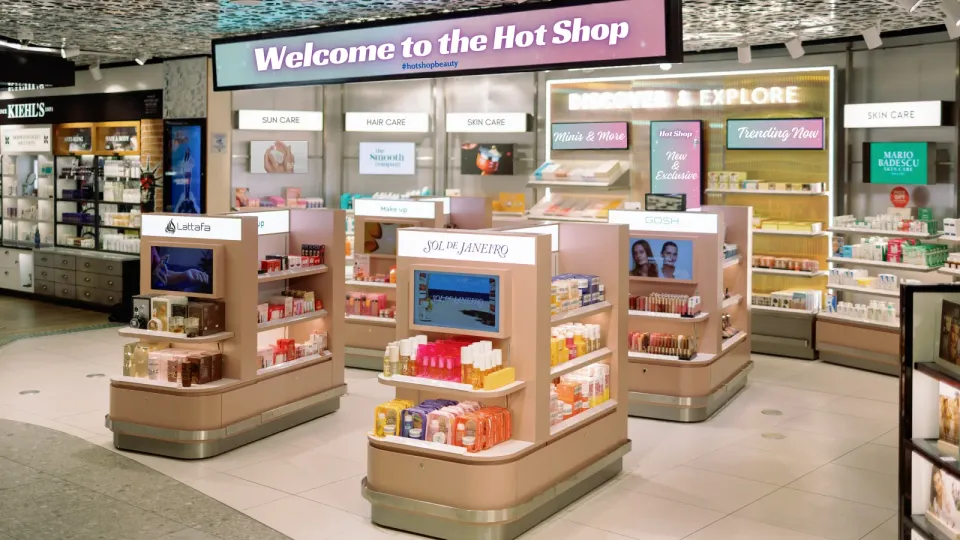
There are encouraging examples of airport retailers experimenting with more flexible approaches to product discovery. In May 2026, ARI introduced its ‘Hot Shop’ at Larnaca International Airport, creating a dedicated space within the beauty category to showcase emerging, niche and trend-led brands.
Designed to accommodate changing consumer interests, the concept allows retailers to test new brands and rotate product selections within a curated environment, making discovery a more deliberate part of the shopping experience.
Geneva Airport offers another example of how retail environments can be designed around considerations beyond traditional product categories. In partnership with Lagardère Travel Retail, the airport introduced an eco-responsible Aelia Duty Free store in 2022, combining a sustainability-focused product selection with store furnishings made from recyclable materials, including metal and certified wood. The design targeted a 40% reduction in the carbon footprint of furniture and point-of-sale materials, demonstrating how environmental priorities can influence both the products offered and the environment in which they are presented.
Although these concepts respond to different shopper interests and values, they demonstrate the potential for retail environments to be organised around more than traditional product categories. Similar approaches could be explored across alcohol and confectionery, whilst rotating destination-led selections, sustainability-focused displays or cross-category gifting areas could help travellers discover products according to their interests, values and purchasing intentions.
Making mission-led retail work at the shelf
However, restructuring the wider retail environment alone will not guarantee a more relevant shopping experience. The shelf remains the point where products must communicate their relevance, differentiation and value, and its execution must support the particular mission a shopper is trying to fulfil.
Within a gifting area, travellers should be able to understand why a product makes a suitable gift, who it might appeal to and whether its price represents good value. Within a discovery zone, unfamiliar brands must be sufficiently visible, with clear explanations of what makes them distinctive and why they deserve consideration. Meanwhile, for travellers replenishing familiar products, straightforward navigation, availability and clear pricing remain essential.
This is where physical retail execution becomes particularly important. Shelftrak's store-level data provides visibility into how products are actually presented, from shelf positioning and facings to promotional presence and execution consistency across stores. These insights can help brands and retailers identify opportunities to improve how products are displayed, ensuring that changes to the wider retail environment are supported by effective execution at the shelf.
Ultimately, introducing mission-led navigation or dedicated discovery areas will only be meaningful if the products within them are presented in ways that help shoppers understand their relevance and make confident purchasing decisions.
Designing retail around the shopper
Travel retail does not need to abandon the category structures that have supported the industry for decades. However, these structures alone cannot accommodate every shopper mission. Greater flexibility, more purposeful navigation and dedicated opportunities for discovery could help create retail environments that better reflect how travellers want to shop.
As the examples explored throughout this article demonstrate, parts of the industry are already experimenting with these approaches. The opportunity now is to build on this progress, moving beyond individual activations towards a more consistent consideration of shopper missions throughout the store. Crucially, this must be supported by effective execution at the shelf, ensuring that products are not only accessible, but presented in ways that communicate their relevance and encourage engagement.
Ultimately, are we designing airport stores around what we want to sell, or around what travellers actually want to buy?
Turning shopper insights into better retail execution
At Shelftrak, we help brands and retailers understand how products are presented in-store, from distribution and shelf space to visibility, positioning and promotional execution. By identifying gaps and opportunities at the shelf, our insights can help brands and retailers make more informed decisions about how their products are presented to shoppers, whether travellers are looking to replenish, discover, indulge or find the right gift.
Want to understand how your in-store execution could better meet shopper needs? Contact Shelftrak to explore how our insights can support your retail strategy.
Shelftrak Inside Trak Newsletter
Retail execution trends, analysis and data-led intelligence delivered straight to your in-box
Get the latest news and commentary on pricing, compliance, shelf visibility, and execution trends driving category and channel growth worldwide.
· Zero spam · Unsubscribe at any time
Related Reading
18 October 2026
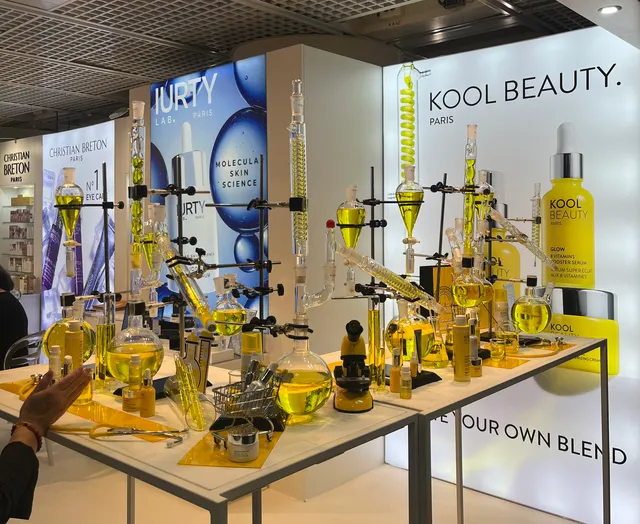
Travel RetailTFWA Cannes 2026: Beauty is getting smarter. Can the shelf keep up?
From clinical skincare to AI-powered experiences, TFWA Cannes 2026 revealed how beauty is evolving and why effective shelf execution matters more than ever
22 October 2026
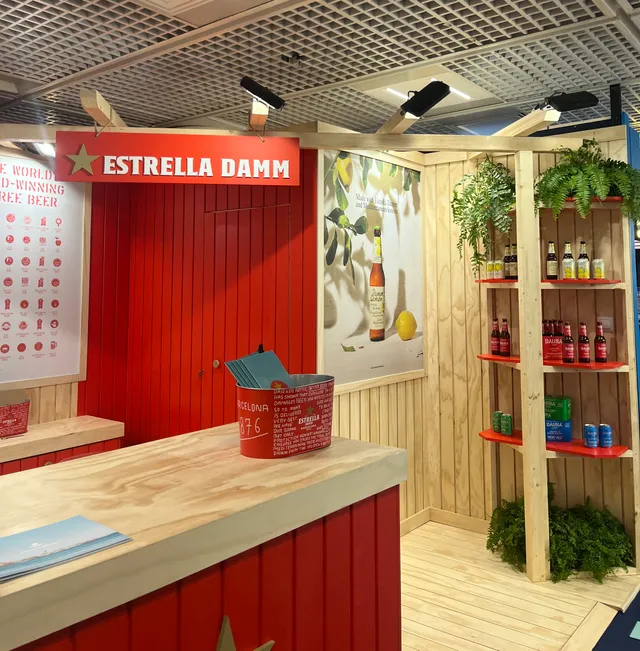
Travel RetailBeyond the bottle: Alcohol at Cannes 2026
From bold flavours to immersive experiences, Cannes 2026 showcased alcohol innovation. But is the airport shelf keeping pace?
20 October 2026
Travel RetailA taste of place: Confectionery at TFWA Cannes 2026
Confectionery's biggest opportunity isn't simply creating more innovative products. It's giving travellers a compelling reason to buy them at the airport.